
Choosing the Best Sports Court Fence for Your Needs: A Comprehensive Guide
Jul 28,2026
Choosing the Best Sports Court Fence for Your Needs
Table of Contents
- Understanding Different Types of Sports Court Fences
- Material Options for Sports Court Fences
- Cost Considerations When Installing a Fence
- A Step-by-Step Installation Guide
- Maintenance Tips for Longevity
- Aesthetics and Design: Making Your Court Stand Out
- Safety Considerations for Players and Spectators
- Frequently Asked Questions
Understanding Different Types of Sports Court Fences
When selecting a sports court fence, it’s crucial to understand the different types available. Each type serves a specific purpose and comes with its own set of advantages and disadvantages.
Chain Link Fences
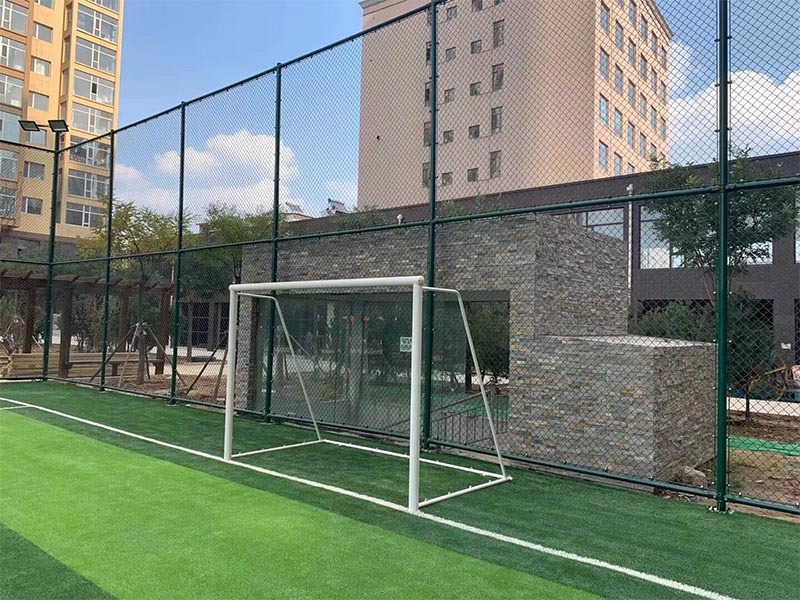
Chain link fences are popular for sports courts due to their affordability and durability. They provide a clear view of the court while effectively keeping balls and players contained. These fences are particularly beneficial for basketball courts, tennis courts, and multi-functional sports areas.
Solid Panel Fences
Solid panel fences, often made from wood or vinyl, offer excellent privacy and noise reduction. They can be visually appealing, making them a great choice for residential areas. However, they may not be suitable for all sports due to limited visibility.
Mesh Fences
Mesh fences are another great option, providing visibility while still containing balls and players. They are lightweight and often easier to install than heavier options, making them a popular choice for temporary installations.
Glass Fences
For a modern and sophisticated look, glass fences are gaining popularity. They provide high visibility and a sleek aesthetic, making them suitable for high-end sports facilities. However, they come at a higher cost and require more maintenance.
Material Options for Sports Court Fences
Choosing the right material for your sports court fence is essential for durability, maintenance, and appearance.
Steel Fencing
Steel fencing is known for its strength and longevity. It can withstand harsh weather conditions and is less prone to damage compared to other materials. While it may require occasional maintenance to prevent rust, its resilience makes it a worthwhile investment.
Aluminum Fencing
Aluminum fences are lightweight, resistant to corrosion, and easy to install. They provide a sleek appearance and are available in various colors. However, they may not be as durable as steel, making them a better choice for courts that experience lighter use.
Vinyl Fencing
Vinyl is a popular choice for its low maintenance requirements and variety of design options. It’s resistant to fading and doesn’t require painting but can be more expensive than wood or chain link options.
Wood Fencing
Wood fencing offers a natural aesthetic and can be customized to fit any design. However, it requires regular maintenance, including sealing and painting, to prevent weather damage.
Cost Considerations When Installing a Fence
Understanding the cost factors involved in installing a sports court fence is crucial for budget planning.
Initial Costs
The initial cost of a sports court fence varies based on the material, size, and style of the fence. Chain link fences are typically the most affordable, while glass and custom wood fences can be significantly more expensive.
Installation Costs
Labor costs for installation can also vary widely. Hiring professionals ensures proper installation but adds to the overall expense. DIY installation can save money but requires time, effort, and knowledge of fencing techniques.
Long-Term Maintenance Costs
Consider the long-term maintenance required for each material when evaluating costs. Steel and aluminum fences may require minimal upkeep, while wood fences will need regular treatment to maintain their appearance and integrity.
A Step-by-Step Installation Guide
Installing a sports court fence can be a straightforward process if done correctly. Follow this guide for a successful installation.
Step 1: Planning and Measurement
Begin by measuring the perimeter of the court to ensure you purchase the correct amount of fencing. Consider local regulations regarding fence height and placement.
Step 2: Gather Materials and Tools
Collect all necessary materials, including fencing panels, posts, concrete, and tools such as post hole diggers and wrenches. Having everything ready will streamline the process.
Step 3: Mark the Fence Line
Use stakes and strings to mark the desired fence line. This ensures accuracy in the placement of posts and panels.
Step 4: Install the Posts
Dig holes for the posts, ensuring they are deep enough to provide stability. Set the posts in place and fill the holes with concrete, allowing it to cure as per the manufacturer's instructions.
Step 5: Attach the Fencing Panels
Once the posts are secure, attach the fencing panels. Ensure they are level and properly aligned, tightening any hardware as needed.
Step 6: Final Touches
Inspect the fence for any loose areas or uneven sections. Make adjustments as necessary and clean up the surrounding area.
Maintenance Tips for Longevity
Proper maintenance of your sports court fence can extend its lifespan significantly.
Regular Inspections
Conduct regular inspections for any signs of wear or damage. Look for rust on metal fences or rot in wooden fences.
Cleaning
Keep the fence clean by removing dirt, debris, and any plant growth that may accumulate. Use a mild detergent and a soft brush for cleaning purposes.
Repairs
Address any repairs promptly to prevent further damage. Replace broken panels or posts immediately and treat rust or rot as needed.
Aesthetics and Design: Making Your Court Stand Out
The fence surrounding your sports court can significantly impact its overall appearance and functionality.
Color Choices
Selecting a color that complements your facility or neighborhood can enhance visual appeal. Consider using bold colors for chain link fences or choosing a natural wood stain for wooden fences.
Landscaping
Incorporate landscaping around the fence to create a more inviting atmosphere. Plant shrubs, flowers, or ornamental grasses to soften the look of the fence.
Custom Features
Consider adding custom features such as gates, signage, or decorative elements to personalize your sports court. These touches can create a unique and welcoming environment for players and spectators alike.
Safety Considerations for Players and Spectators
Safety should always be a top priority when choosing a sports court fence.
Height and Design
Ensure the fence is tall enough to contain balls and prevent them from leaving the court area. A height of at least 10 feet is recommended for sports like basketball and tennis.
Material Safety
Select materials that are safe for players and spectators. Avoid sharp edges and design features that could pose a risk of injury.
Visibility
A well-designed fence should provide visibility for both players and spectators. This helps maintain a safe environment while allowing for clear sightlines during games.
Frequently Asked Questions
1. What is the best height for a sports court fence?
The ideal height for a sports court fence typically ranges from 8 to 12 feet, depending on the sport. Basketball courts usually require taller fences to contain the ball effectively.
2. How much does a sports court fence cost?
The cost of a sports court fence can vary widely, ranging from a few dollars per linear foot for chain link fences to over fifty dollars per linear foot for glass or custom wood options.
3. Can I install a sports court fence myself?
Yes, many homeowners choose to install their own sports court fences. However, it is essential to have the right tools and knowledge to ensure a successful installation.
4. How do I maintain my sports court fence?
Regular inspections, cleaning, and timely repairs are critical for maintaining your sports court fence. Different materials will have specific maintenance requirements.
5. What is the best material for a residential sports court fence?
For residential sports courts, chain link or vinyl fences are popular choices due to their affordability, durability, and low maintenance needs.
Conclusion
Choosing the right sports court fence is essential for enhancing safety, aesthetics, and functionality. By understanding the different types and materials available, as well as considering costs, installation, and maintenance, you can make an informed decision that meets your needs. With proper planning and execution, your sports court fence will provide the required security while adding to the enjoyment of your sporting experience. Whether it’s for a basketball court, tennis court, or multi-sport area, the right fence can make all the difference.

Contact Us
E-mail :
Phone/WhatsApp/WeChat:
Address:
No. 12, Jing Si Road, East Industrial Park, Anping County, Hengshui City, Hebei Province

WhatsApp/Wechat:
E-mail:


Business License