
Creating Boundaries: The Importance of Sports Court Fencing for Enhanced Safety and Performance
Nov 11,2026
Creating Boundaries: The Importance of Sports Court Fencing
Table of Contents
- Introduction to Sports Court Fencing
- Why Fencing Matters in Sports
- Types of Fencing Materials for Sports Courts
- Benefits of Sports Court Fencing
- Design Considerations for Sports Court Fencing
- Maintenance and Durability of Sports Court Fencing
- Case Studies: Successful Sports Court Fencing Implementations
- Conclusion: The Role of Fencing in Sports Court Safety and Performance
- FAQs about Sports Court Fencing
Introduction to Sports Court Fencing
In today's competitive landscape, **creating safe and efficient sports environments** is a vital aspect of sporting facilities. Sports court fencing serves as an essential element in defining boundaries, ensuring safety, and enhancing the overall experience for players and spectators alike. By establishing clear demarcations and barriers, sports court fencing not only protects athletes from potential injuries but also maximizes the functionality of the play area.
Why Fencing Matters in Sports
Implementing **sports court fencing** is crucial for several reasons. Firstly, it acts as a protective barrier that reduces the risk of injuries caused by players accidentally leaving the court and colliding with surrounding obstacles. Secondly, it helps maintain the integrity of the game by preventing interruptions from external factors such as spectators or animals.
Moreover, fencing plays a pivotal role in promoting fair play. By clearly defining the boundaries, players are better able to adhere to the rules and regulations of the game, further enhancing the competitive spirit.
Creating a Safe Playing Environment
The safety of players is paramount. Fencing can significantly minimize the risks associated with unsupervised access to the court. It acts as a deterrent for unauthorized individuals and pets, ensuring that the playing area remains secure and free from distractions.
Enhancing Spectator Experience
Fencing can also improve the experience for spectators. By creating a designated viewing area, it enables fans to enjoy the game without encroaching on the playing surface. This not only maintains order but also fosters a more enjoyable atmosphere for everyone involved.
Types of Fencing Materials for Sports Courts
When it comes to selecting the right fencing material, several options are available to suit varying needs and budgets.
Chain Link Fencing
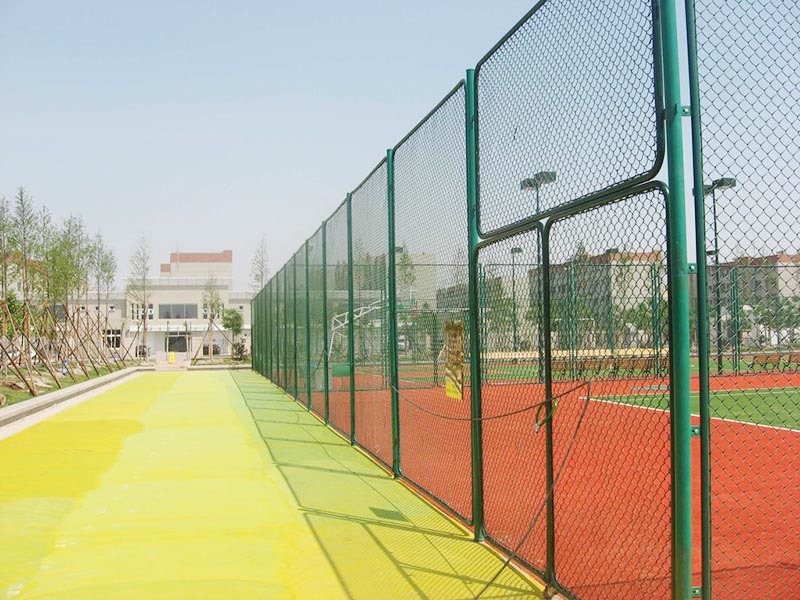
Chain link fencing is one of the most popular choices for sports courts. It offers durability, visibility, and cost-effectiveness. This type of fence is resistant to weather conditions and provides a long-lasting solution for securing sports areas.
Wooden Fencing
Wooden fencing provides a more aesthetic appeal compared to chain link options. It can blend seamlessly into natural surroundings, making it ideal for recreational parks. However, wooden fences require regular maintenance to combat rot and insect damage.
PVC Fencing
PVC fencing is a lightweight and robust alternative that is resistant to rust and corrosion. Its maintenance-free nature makes it an attractive option for facilities looking to minimize upkeep efforts.
Steel Fencing
For those seeking maximum security, steel fencing is the way to go. It offers unparalleled strength and durability, making it ideal for high-risk areas or facilities with a history of vandalism.
Benefits of Sports Court Fencing
Investing in **sports court fencing** comes with numerous advantages that extend beyond safety.
Improved Court Longevity
Fencing helps to protect the playing surface from external debris and environmental elements. This protection results in a longer lifespan for the court, thereby reducing repair and maintenance costs in the long run.
Defined Play Areas
Clear boundaries enhance the organization of games and training sessions. Players can focus on their performance without worrying about wandering off the court, leading to better gameplay and skill development.
Enhanced Aesthetic Appeal
A well-designed fence can contribute positively to the overall aesthetics of the facility. It can enhance the visual landscape, making the sports area more inviting for players and spectators.
Increased Property Value
Properly installed and maintained fencing can increase the value of the property. It signals to potential buyers or renters that the facility has been thoughtfully designed and cared for, making it a more attractive investment.
Design Considerations for Sports Court Fencing
When designing sports court fencing, several factors should be taken into account to ensure functionality and safety.
Height and Visibility
The height of the fence should be carefully considered based on the type of sport being played. Taller fences may be necessary for sports with high velocity balls, while lower fencing might suffice for others. Additionally, visibility is crucial; materials should allow spectators to view the game without obstruction.
Accessibility and Entry Points
Designing appropriate entry points is essential for both players and spectators. Gates should be strategically placed to allow for easy access without interrupting the game.
Weather Resistance
Selecting materials that can withstand local weather conditions is vital. Fencing must be durable and resistant to rust, decay, and other environmental factors to ensure long-term effectiveness.
Maintenance and Durability of Sports Court Fencing
To ensure the longevity of sports court fencing, regular maintenance is essential.
Routine Inspections
Conducting routine inspections can help identify potential issues before they escalate. Look for signs of wear, rust, or damage that may require immediate attention.
Cleaning and Repairs
Keeping the fencing clean not only improves aesthetics but also helps to prolong its life. Regularly removing debris and performing necessary repairs can prevent minor issues from becoming major problems.
Periodic Upgrades
As technology advances, consider upgrading materials and designs to enhance the functionality and safety of the sports court fencing. This investment can pay off in increased performance and player satisfaction.
Case Studies: Successful Sports Court Fencing Implementations
Exploring real-world examples can provide valuable insights into the effectiveness of sports court fencing.
Community Sports Complex
A community sports complex in New York implemented a chain link fence around their basketball courts to improve safety and delineate boundaries. Post-installation, incidents of injuries due to players wandering off the court decreased significantly, leading to a safer playing environment.
High School Athletic Program
A high school in California upgraded its fencing to steel around its soccer fields. This not only enhanced safety but also provided a boost in player performance, as athletes felt more secure and focused during games.
Conclusion: The Role of Fencing in Sports Court Safety and Performance
In conclusion, investing in **sports court fencing** is a fundamental step in creating safe, organized, and visually appealing athletic environments. From improving player safety to enhancing the overall experience for spectators, the benefits of effective fencing cannot be overstated. By understanding the various types of materials, design considerations, and maintenance practices, sports facilities can ensure that their courts remain functional and inviting for years to come.
FAQs about Sports Court Fencing
1. What is the best type of fencing material for a sports court?
The best type of fencing material depends on the specific needs of the court and the sport being played. Chain link is popular for its durability, while PVC offers maintenance-free benefits. Steel is ideal for high-security areas.
2. How high should sports court fencing be?
The height of the fencing varies based on the sport. Generally, it should be high enough to prevent balls from leaving the area, with heights between 6 to 12 feet being common.
3. How often should sports court fencing be maintained?
Routine inspections should be conducted quarterly, with cleaning and repairs done as needed to ensure the fencing remains functional and safe.
4. Can I customize the design of my sports court fencing?
Yes, many fencing suppliers offer customizable options, allowing you to choose colors, heights, and materials that fit your facility's aesthetic and functional needs.
5. What are the costs associated with installing sports court fencing?
Costs can vary widely based on materials, height, and length of the fence. On average, you can expect to spend between $10 to $30 per linear foot, depending on your chosen material and design.
By taking the time to explore these facets of sports court fencing, we empower ourselves to create safe, enjoyable, and functional sports environments that benefit athletes, spectators, and the community as a whole.

Contact Us
E-mail :
Phone/WhatsApp/WeChat:
Address:
No. 12, Jing Si Road, East Industrial Park, Anping County, Hengshui City, Hebei Province

WhatsApp/Wechat:
E-mail:


Business License