
Exploring the Benefits of Using Anti-Tank Obstacle Nets in Engineering
Aug 03,2026
Exploring the Benefits of Using Anti-Tank Obstacle Nets in Engineering
Table of Contents
- 1. Introduction to Anti-Tank Obstacle Nets
- 2. Understanding Anti-Tank Obstacle Nets
- 3. Engineering Applications of Anti-Tank Obstacle Nets
- 4. Benefits of Using Anti-Tank Obstacle Nets
- 5. Material Technology Behind Anti-Tank Nets
- 6. Case Studies and Real-World Examples
- 7. Future Trends in Anti-Tank Net Technology
- 8. Frequently Asked Questions
- 9. Conclusion
1. Introduction to Anti-Tank Obstacle Nets
In a world where engineering design meets the challenges of security and safety, **anti-tank obstacle nets** emerge as a vital solution. These specialized nets are designed to stop or hinder the movement of tanks, providing a physical barrier against armored vehicles. Their use transcends military applications and extends to civil engineering, enhancing safety and stability in various projects.
As we explore the benefits of these innovative materials, we will uncover how they contribute to infrastructure resilience, strategic defense measures, and overall cost savings.
2. Understanding Anti-Tank Obstacle Nets
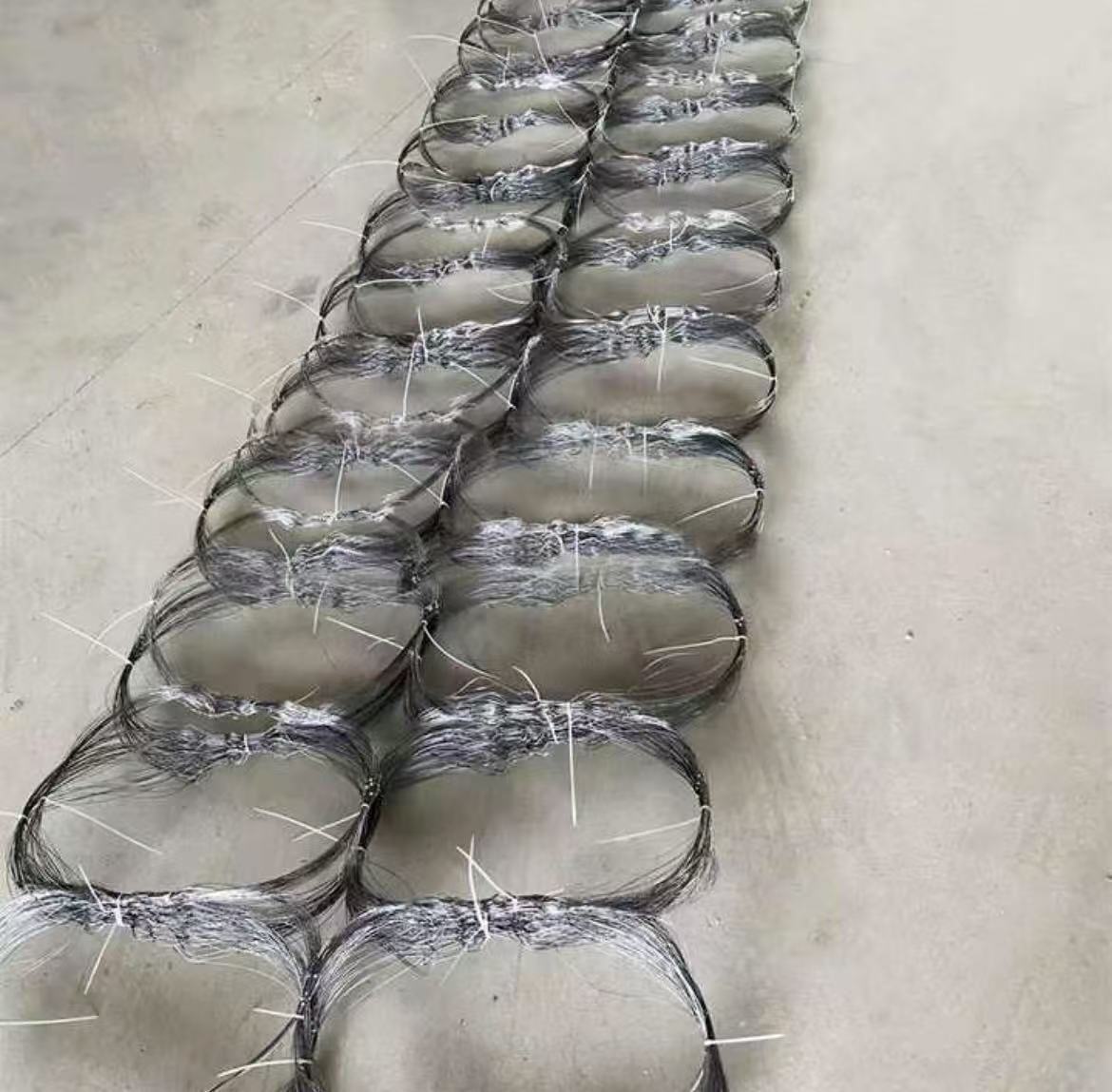
Anti-tank obstacle nets are constructed using durable materials such as steel or synthetic fibers, designed to withstand extreme conditions. Their primary function is to create an effective barrier against tank movements, utilizing the principles of entanglement and resistance.
However, their role extends beyond mere obstruction; they are engineered to absorb impact and redistribute forces, significantly enhancing their effectiveness.
2.1 Design Features of Anti-Tank Obstacle Nets
The design of anti-tank nets is intricate and purposeful. Key features include:
- **Material Strength**: High-tensile strength fabrics ensure durability and resistance to wear and tear.
- **Mesh Size**: The size of the mesh is crucial in determining the net's effectiveness in entangling tank tracks.
- **Weight and Portability**: Lightweight designs facilitate easy deployment and storage, making them adaptable to various environments.
2.2 Manufacturing Processes
The manufacturing of anti-tank obstacle nets involves advanced techniques to ensure quality and performance. These processes often include:
- **Weaving Technologies**: Modern weaving techniques enhance the strength of the net while maintaining flexibility.
- **Coating Applications**: Various coatings are applied to improve resistance to environmental factors such as moisture and sunlight.
3. Engineering Applications of Anti-Tank Obstacle Nets
The engineering applications of anti-tank obstacle nets are diverse, spanning military and civil sectors. Their multifunctionality makes them an invaluable asset in various projects.
3.1 Military Applications
In military contexts, anti-tank obstacle nets serve critical roles in defensive strategies. They are used to:
- **Create Secure Perimeters**: Establish secure zones around military installations.
- **Enhance Tactical Operations**: Deploy nets in conflict zones to impede enemy armored vehicles.
- **Support Infrastructure Protection**: Protect sensitive infrastructure from potential attacks.
3.2 Civil Engineering Applications
The utility of anti-tank nets extends beyond military uses, proving beneficial in civil engineering projects. Examples include:
- **Construction Sites**: Protecting construction sites from unauthorized access.
- **Road Safety**: Implementing nets along critical roadways to mitigate risks from heavy vehicles.
- **Disaster Management**: Utilizing nets in disaster-prone areas to stabilize land and prevent landslides.
4. Benefits of Using Anti-Tank Obstacle Nets
The incorporation of anti-tank obstacle nets in engineering presents numerous benefits that merit exploration.
4.1 Enhanced Safety and Security
The foremost benefit is the significant enhancement of safety and security they provide. By acting as a physical barrier, these nets can:
- **Deter Unauthorized Access**: Prevent unauthorized vehicles from entering restricted areas.
- **Protect Personnel**: Keep military and civilian personnel safe from potential threats.
4.2 Cost-Effectiveness
Investing in anti-tank nets is often a cost-effective solution compared to other security measures. Their long lifespan and minimal maintenance requirements contribute to lower overall costs.
4.3 Environmental Impact
Modern anti-tank obstacle nets are designed with environmental considerations in mind. They are often made from recyclable materials, minimizing their ecological footprint. Their deployment can also lead to less disruptive construction practices, preserving the surrounding environment.
5. Material Technology Behind Anti-Tank Nets
The technological advancements in materials used for anti-tank obstacle nets have revolutionized their effectiveness. Key material technologies include:
- **Synthetic Fibers**: Lightweight yet durable, these fibers enhance the net's performance against heavy impacts.
- **Composite Structures**: Utilizing composite materials can greatly improve the tensile strength while maintaining flexibility.
6. Case Studies and Real-World Examples
Examining real-world applications provides insight into the effectiveness of anti-tank obstacle nets. For instance, during military exercises, the deployment of these nets resulted in improved tactical maneuvers and reduced vehicle accessibility in sensitive areas.
In civil engineering, projects that implemented anti-tank nets in construction zones reported significantly lower instances of unauthorized access and improved safety for personnel.
7. Future Trends in Anti-Tank Net Technology
As technology continues to advance, future trends in anti-tank nets will likely include:
- **Smart Materials**: The development of smart materials that can adapt to environmental changes or threats.
- **Integration with Technology**: Utilizing sensors and monitoring systems to enhance the effectiveness of nets.
8. Frequently Asked Questions
**Q1: What are anti-tank obstacle nets made of?**
Anti-tank obstacle nets are typically made from high-tensile strength materials like steel or synthetic fibers, designed for durability and effectiveness.
**Q2: How effective are these nets in real-world applications?**
In military and civil engineering contexts, anti-tank nets have proven effective in creating barriers against unauthorized vehicles and enhancing safety measures.
**Q3: Can anti-tank nets be reused?**
Yes, many anti-tank nets are designed for multiple deployments, making them a sustainable option for ongoing projects.
**Q4: How do anti-tank nets compare in cost to other security measures?**
Anti-tank nets are generally more cost-effective due to their durability and low maintenance requirements, offering significant long-term savings.
**Q5: Are there environmental concerns associated with anti-tank nets?**
Modern anti-tank nets are designed with environmental considerations in mind, often made from recyclable materials and promoting less invasive construction practices.
9. Conclusion
The adoption of anti-tank obstacle nets in engineering marks a significant advancement in enhancing safety and security across various applications. From military installations to civil engineering projects, their multifaceted benefits and innovative technology underscore their importance in modern infrastructure development. As we move forward, embracing advancements in material technology and integrating these nets into broader strategic frameworks will undoubtedly play a critical role in shaping the future of engineering and construction.

Contact Us
E-mail :
Phone/WhatsApp/WeChat:
Address:
No. 12, Jing Si Road, East Industrial Park, Anping County, Hengshui City, Hebei Province

WhatsApp/Wechat:
E-mail:


Business License