
Maximizing Safety and Comfort: Understanding Sound Absorbing Barriers in Transportation
Aug 12,2026
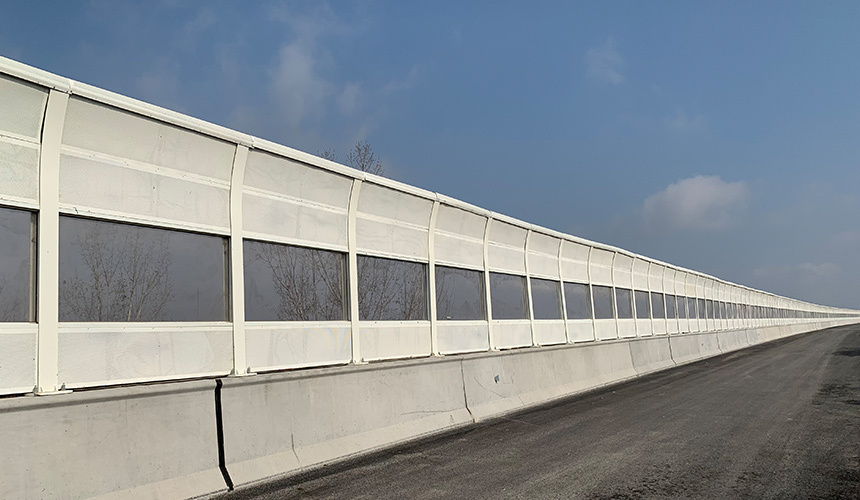
In the transportation sector, particularly within the automotive and safety equipment industry, sound absorbing barriers play a crucial role in enhancing both safety and comfort for drivers and passengers alike. These barriers are designed to mitigate noise pollution, which is a significant concern in urban environments and near busy roadways. By utilizing sound absorbing materials, these barriers help create a quieter and more pleasant driving experience.
Sound absorbing barriers are typically made from a variety of materials, including acoustic panels, foam, and specialized composites that are engineered to reduce sound transmission. Their primary function is to absorb sound waves rather than reflecting them, thus preventing noise from bouncing back into the environment. This characteristic is particularly beneficial in high-traffic areas where noise levels can be detrimental to public health and safety.
The applications of sound absorbing barriers are extensive. They are commonly used in highway projects, urban developments, and near residential areas adjacent to busy roads. By installing these barriers, municipalities can effectively lower noise levels, which can lead to improved quality of life for residents and more peaceful driving conditions. Furthermore, in the context of the automotive industry, these barriers can be integrated into vehicle design, contributing to reduced cabin noise and enhancing overall passenger comfort.
From a safety perspective, sound absorbing barriers contribute to accident prevention. By reducing noise distractions, these barriers help drivers maintain better focus on the road. This is particularly important in areas with frequent pedestrian traffic or in regions where wildlife crossings are common. The clearer the auditory environment, the better drivers can react to potential hazards.
Moreover, the implementation of sound absorbing barriers can have significant economic benefits. By improving the quality of life in surrounding communities, property values can increase, and businesses may thrive due to a more appealing environment. Additionally, the use of such barriers can fulfill regulatory requirements for noise control, thereby avoiding potential fines and enhancing community relations.
In summary, sound absorbing barriers are a vital component in the transportation safety equipment landscape. Their ability to enhance sound insulation not only contributes to a safer driving environment but also elevates the comfort level for all road users. Professionals in the automotive and safety equipment industry should consider the integration of these barriers into their projects to meet the growing demands for noise reduction and community well-being. Embracing this technology not only aligns with industry standards but also sets a precedent for innovation in transportation safety solutions.

Contact Us
E-mail :
Phone/WhatsApp/WeChat:
Address:
No. 12, Jing Si Road, East Industrial Park, Anping County, Hengshui City, Hebei Province

WhatsApp/Wechat:
E-mail:


Business License