
Understanding the Importance of Prison Security Fences in Modern Detention Facilities
Aug 14,2026
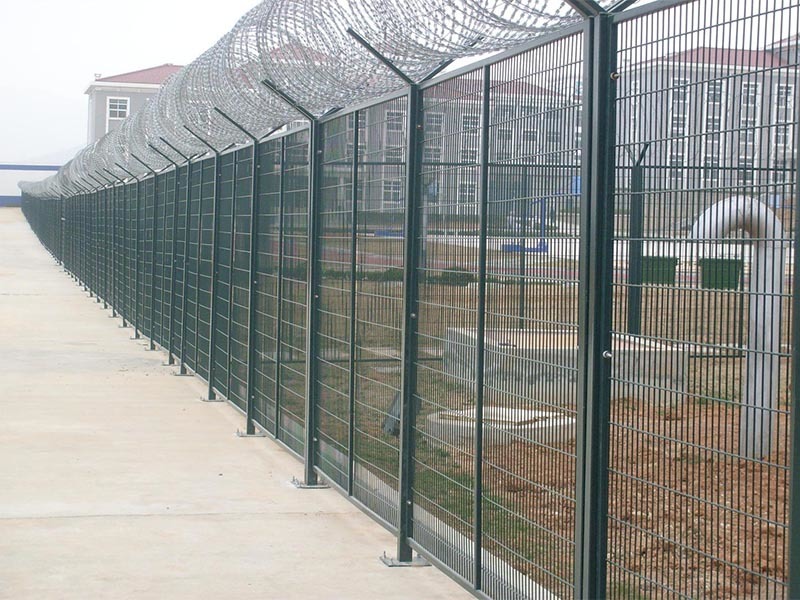
In today’s correctional environment, the implementation of effective prison security fences is paramount to maintaining safety and order within detention facilities. These fences serve as the first line of defense against unauthorized access and escapes, thereby playing a crucial role in the overall security architecture of prisons.
Prison security fences are designed with specific materials and technologies that enhance their effectiveness. Typically, they are constructed from high-strength steel and feature anti-climb designs to deter intruders from attempting to scale them. Additionally, many modern fences incorporate electronic surveillance systems, such as motion sensors and surveillance cameras, which provide real-time monitoring and alert staff to any potential breaches.
One of the primary benefits of employing robust prison security fences is the psychological deterrent they create. The physical presence of a well-designed fence can instill a sense of control and security among both staff and inmates. This psychological effect can contribute to a more orderly environment within the facility, reducing the likelihood of disturbances and violence.
Moreover, the integration of prison security fences with other security measures enhances their effectiveness. For example, perimeter security systems that include lighting, alarms, and patrols work in conjunction with the fences to create a multi-layered defense strategy. This holistic approach ensures that any potential threats are addressed swiftly and efficiently, further safeguarding the facility.
When designing or upgrading a prison security fence, it is crucial to consider several factors, including the specific threats faced by the facility, the surrounding environment, and the types of inmates housed within. Customization of the fence’s height, visibility, and additional features can be tailored to meet the unique demands of each facility. Engaging with experts in security technology and facility design can provide valuable insights into the most effective solutions for a given context.
In conclusion, the role of prison security fences in modern detention facilities extends far beyond mere physical barriers. They are integral components of a comprehensive security strategy that combines physical deterrence with advanced technology. For professionals involved in the design, management, or operation of correctional facilities, understanding the significance of these fences is critical for ensuring the safety and security of both personnel and inmates alike. By investing in high-quality prison security fences, facilities can enhance their overall security posture and maintain a safe environment conducive to rehabilitation and order.

Contact Us
E-mail :
Phone/WhatsApp/WeChat:
Address:
No. 12, Jing Si Road, East Industrial Park, Anping County, Hengshui City, Hebei Province

WhatsApp/Wechat:
E-mail:


Business License