
Top Features to Look for in Sports Court Fencing Solutions
Aug 17,2026
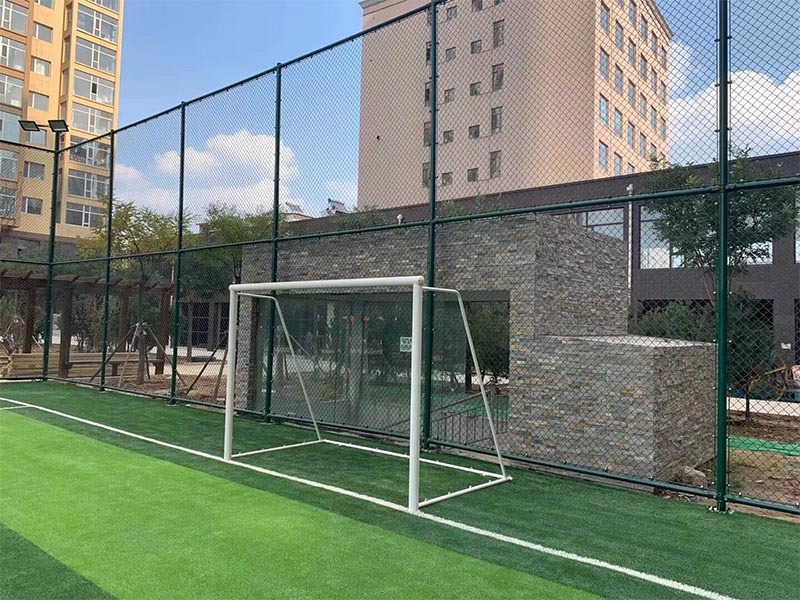
Top Features to Look for in Sports Court Fencing Solutions
Introduction to Sports Court Fencing
Sports courts serve as vibrant hubs for physical activity, competition, and community engagement. Whether it’s for basketball, tennis, or multi-purpose courts, the importance of effective fencing cannot be overstated. Proper fencing solutions not only enhance safety but also contribute to the overall experience of players and spectators alike.
In this guide, we explore the **top features** that one should consider when selecting sports court fencing solutions. By understanding these essential aspects, you can ensure that your sports facility meets safety standards while providing an enjoyable environment for all.
1. Safety Standards and Compliance
Understanding Local Regulations
One of the foremost considerations when selecting sports court fencing is adherence to **safety standards** and local regulations. Various sports organizations and government bodies outline specific requirements for fencing height, material, and design. It is crucial to familiarize yourself with these regulations to ensure compliance.
Choosing Impact-Resistant Materials
A critical feature of sports court fencing is the **material** used. Opt for impact-resistant materials that can withstand high-velocity impacts from balls or players. Common materials include:
- **Chain Link Fencing**: Known for its durability and cost-effectiveness, chain link fencing is a popular choice for many sports courts.
- **Vinyl Coated Fencing**: This option not only provides enhanced durability but also offers a modern look with various color choices.
- **Welded Wire Fencing**: This robust option is ideal for high-impact sports, providing strong protection and longevity.
2. Durability and Weather Resistance
Long-Lasting Solutions
Investing in durable fencing solutions is essential for minimizing maintenance costs. Look for fencing made from materials that can endure various weather conditions without deterioration.
Corrosion-Resistant Coatings
Fencing should feature **corrosion-resistant coatings** to prevent rust and wear over time. Options like galvanized steel or powder-coated finishes ensure the longevity of your fence, making it a wise investment for any sports facility.
3. Visibility and Aesthetic Appeal
Enhancing Visibility
Visibility is crucial for both players and spectators. Choose fencing that allows for clear sightlines without compromising safety. Transparent or semi-transparent materials, such as netting or vinyl-coated chain link, can enhance visibility while still providing necessary protection.
Customizable Aesthetic Options
The appearance of your fencing can significantly influence the overall feel of your sports court. Many manufacturers offer customizable aesthetic options, including color choices and branding opportunities. This enables facilities to create a unique identity while promoting team spirit.
4. Accessibility and Maintenance
Simplicity in Access
Consider fencing designs that allow for easy access to the court. Gates should be strategically placed and easy to operate for players, coaches, and maintenance personnel. Accessibility not only enhances usability but also promotes a smoother flow of activity during events.
Low Maintenance Requirements
Opt for fencing solutions that require minimal upkeep. Look for materials that are easy to clean and do not require painting or sealing. Choosing low-maintenance fencing saves time and resources, allowing staff to focus on other important aspects of sports facility management.
5. Cost-Effectiveness and Budget Considerations
Evaluating Initial Costs vs. Long-Term Savings
When selecting sports court fencing solutions, it is essential to evaluate both the **initial costs** and long-term savings. While cheaper options may seem attractive, they often require more maintenance or replacement over time. Investing in quality fencing can yield significant savings in the long run.
Exploring Financing Options
Many facilities may seek financing options to help manage costs. Investigate potential grants, sponsorships, or partnerships that can alleviate the upfront financial burden. A well-planned budget ensures that you can afford high-quality fencing solutions without financial strain.
6. Community Engagement and Feedback
Incorporating Community Input
Before making a final decision, consider gathering feedback from the community. Engaging with players, coaches, and local residents can provide valuable insights into their preferences regarding fencing design and features.
Organizing Community Events
Hosting events to showcase proposed fencing solutions can foster a sense of ownership and pride within the community. Highlighting the importance of proper fencing in maintaining a safe and enjoyable environment will also encourage community support for the project.
7. Choosing the Right Contractor
Researching Reliable Contractors
Selecting a reputable contractor is vital for the successful installation of sports court fencing. Research local fencing companies, read reviews, and ask for referrals to find a contractor with a proven track record in sports facility projects.
Requesting Detailed Quotes
Obtain detailed quotes from multiple contractors to compare prices and services offered. Ensure that quotes include all aspects of the project, including materials, labor, and timelines. This thorough evaluation will help you make an informed decision.
8. Future-Proofing Your Sports Court Fencing
Anticipating Future Needs
When investing in sports court fencing, consider the potential growth and changes in the facility's usage. Opt for modular fencing solutions that can be adapted or expanded as needed, ensuring that your investment remains relevant for years to come.
Staying Updated with Trends
Staying informed about industry trends and innovations will help you anticipate future needs. Regularly assess the performance of your fencing solutions and be open to upgrading or replacing them to keep pace with advancements in sports facility design.
FAQs
1. What materials are best for sports court fencing?
Common materials for sports court fencing include chain link, vinyl-coated fencing, and welded wire. The best material depends on the specific sport, budget, and desired visibility.
2. How tall should sports court fencing be?
The height of sports court fencing typically ranges from 8 to 12 feet, depending on the sport and local regulations. Always verify local guidelines to ensure compliance.
3. How do I maintain my sports court fencing?
Regularly inspect your fencing for damage, clean debris, and apply protective coatings as necessary. Choose materials that require minimal maintenance for long-term efficiency.
4. Can I customize the appearance of my sports court fencing?
Yes, many manufacturers offer customizable options in terms of color, design, and branding, allowing facilities to create a unique look that reflects their identity.
5. What should I consider when selecting a contractor for fencing installation?
Research the contractor's reputation, experience in sports facilities, and customer reviews. Request detailed quotes and ask for references to ensure quality work.
Conclusion
Selecting the right sports court fencing solutions is a critical step in ensuring a safe, enjoyable, and aesthetically pleasing environment for athletes and spectators. By considering factors such as safety standards, durability, visibility, and community engagement, you can make informed decisions that enhance your sports facility. Investing in high-quality fencing not only meets immediate needs but also secures a long-term solution that benefits the entire community. With the right approach, your sports court can become a vibrant center for athletic activity and community pride.

Contact Us
E-mail :
Phone/WhatsApp/WeChat:
Address:
No. 12, Jing Si Road, East Industrial Park, Anping County, Hengshui City, Hebei Province

WhatsApp/Wechat:
E-mail:


Business License