
Understanding Traffic Safety Fences: Essential Components for Road Safety
Aug 28,2026
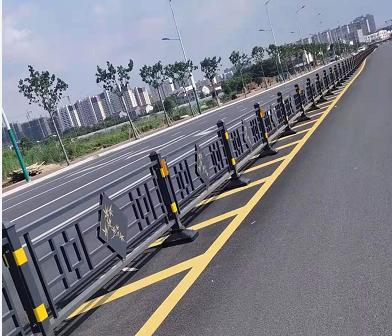
Traffic safety fences play a vital role in protecting both pedestrians and vehicles on the road. These barriers are specifically designed to redirect errant vehicles, preventing them from veering off course and potentially causing serious accidents. They are often installed in high-risk areas, such as highways, construction zones, and urban settings, where the likelihood of collisions is increased.
One of the primary functions of a traffic safety fence is to provide a physical barrier between moving vehicles and vulnerable areas, such as sidewalks or bicycle lanes. This separation is crucial in urban planning, ensuring that pedestrians and cyclists are safeguarded from fast-moving traffic. Additionally, traffic safety fences can help prevent unauthorized access to restricted areas, further enhancing safety around construction sites and hazardous zones.
When discussing the materials used for traffic safety fences, durability and visibility are paramount. Common materials include steel, aluminum, and reinforced plastic, which are designed to withstand harsh weather conditions and significant impacts. Reflective elements or bright colors are often incorporated into the design to ensure high visibility, especially during nighttime or low-light conditions. This visibility is essential for alerting drivers to the presence of barriers, thereby reducing the risk of collisions.
Moreover, the design of traffic safety fences is often influenced by the specific environment in which they will be installed. For instance, in areas with high pedestrian traffic, the design may focus on height and rigidity to deter climbing and ensure robust protection. In contrast, for highways, the emphasis might be on the ability to absorb energy during impacts, minimizing damage to vehicles and occupants during accidents.
Regular maintenance and inspections of traffic safety fences are critical to ensuring their effectiveness. Over time, wear and tear can weaken the structural integrity of these barriers, making routine checks essential for road safety. Stakeholders, including city planners and traffic management authorities, should prioritize the upkeep of these installations, ensuring that they remain functional and effective.
In conclusion, traffic safety fences are a fundamental aspect of road safety management. Their design, material selection, and maintenance play crucial roles in protecting road users and reducing the likelihood of accidents. By understanding the significance of traffic safety fences, stakeholders can contribute to creating safer road environments for everyone.

Contact Us
E-mail :
Phone/WhatsApp/WeChat:
Address:
No. 12, Jing Si Road, East Industrial Park, Anping County, Hengshui City, Hebei Province

WhatsApp/Wechat:
E-mail:


Business License