
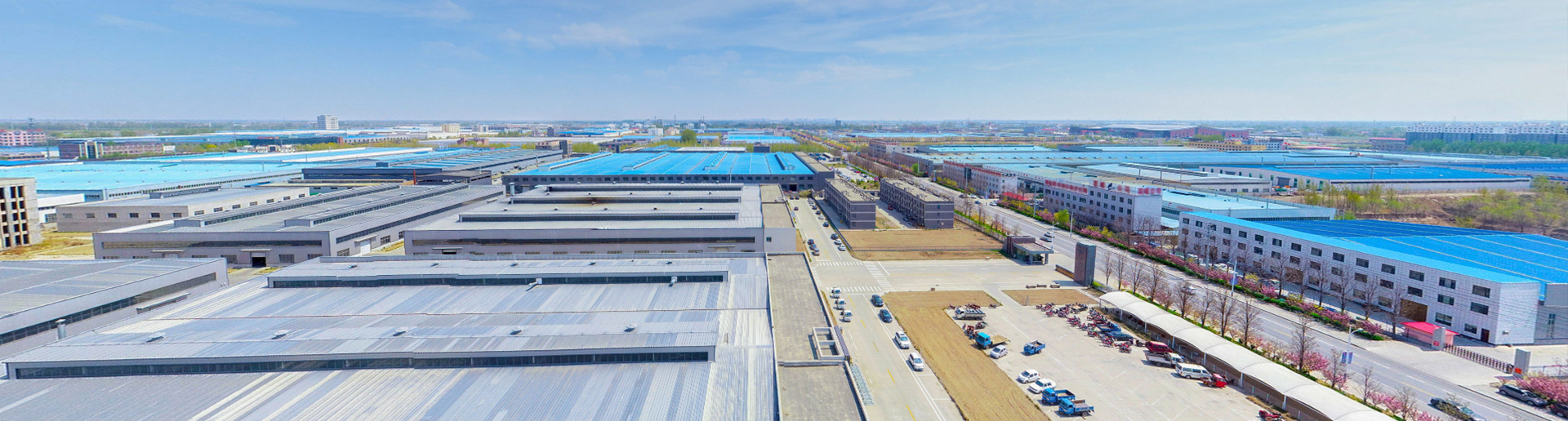
Top Features to Look for in Airport Protective Fencing
Sep 04,2026

Top Features to Look for in Airport Protective Fencing
When it comes to safeguarding airports, **protective fencing** is a critical aspect that cannot be overlooked. As the first line of defense against unauthorized access and potential threats, the design and features of airport fencing must be meticulously chosen. This article delves into the **top features to look for in airport protective fencing**, ensuring that both security and operational efficiency are prioritized.
1. Durability: The Foundation of Airport Fencing
**Durability** is arguably the most important feature when selecting fencing for airport applications. Given that airports experience high levels of traffic and a variety of environmental conditions, the materials used must withstand wear and tear. Here are key elements of durability:
1.1 Material Strength
Choosing the right materials is crucial. Common options include:
- **Chain Link Fencing**: While economical, it may require additional reinforcement.
- **Welded Wire Fencing**: Offers a sturdier alternative, ideal for high-security areas.
- **Composite Fencing**: Provides excellent resistance to corrosion and environmental degradation.
1.2 Weather Resistance
Airport fencing must endure harsh weather elements such as rain, snow, and extreme temperatures. Coatings like **galvanization** or **PVC** can enhance longevity by preventing rust and decay.
2. Height and Visibility: Deterrence and Surveillance
The **height of the fencing** plays a significant role in deterring unauthorized access. Taller fences typically act as a more significant barrier, but visibility is equally important for surveillance.
2.1 Optimal Height
While a minimum height of **8 feet** is standard, depending on the airport’s specific needs, some areas may require even higher fencing. This height prevents easy climbing while remaining manageable for security personnel.
2.2 Visibility Features
Incorporating **visibility-enhancing features** such as barbed wire or anti-climb spikes can further deter intruders. However, these features must be carefully designed to avoid causing harm to wildlife or airline personnel.
3. Access Control: Managing Entry Points
Effective **access control** is paramount for airport security. The fencing should integrate seamlessly with various entry control systems.
3.1 Gates and Access Points
Installing secure gates with electronic locking mechanisms helps manage who enters the premises. Gates should be designed to be tamper-proof and monitored via surveillance systems.
3.2 Integration with Security Systems
Fencing should be compatible with existing airport security systems, including **CCTV** and alarm systems. This integration ensures real-time monitoring and alerts in case of unauthorized entry.
4. Aesthetic Considerations: Blending Security with Design
While functionality is paramount, the **aesthetic appeal** of the fencing cannot be ignored, especially in environments like airports where first impressions matter.
4.1 Customization Options
Consider options that allow for customization in color and design. This can help in aligning the fencing with the airport’s branding while providing necessary security.
4.2 Landscaping Integration
Landscaping can be integrated into the fencing design to create a more welcoming environment without compromising security. Additionally, planting shrubs can serve as a natural barrier.
5. Cost-Effectiveness: Balancing Budget with Quality
When selecting airport protective fencing, it’s essential to strike a balance between **cost and quality**.
5.1 Long-Term Investment
Investing in high-quality materials may have a higher upfront cost but can save money in the long run through reduced maintenance and replacement costs.
5.2 Budget-Friendly Options
For airports on a tighter budget, it’s important to explore cost-effective options while still ensuring that the fencing meets required safety standards. Look for suppliers who offer durable materials at competitive prices.
6. Compliance with Regulations: Meeting Industry Standards
Airport fencing must comply with **local, national, and international regulations**. This compliance ensures not only safety but also legal protection for airport authorities.
6.1 FAA Guidelines
The **Federal Aviation Administration (FAA)** provides guidelines regarding airport fencing. Familiarity with these regulations is crucial for appropriate design and installation.
6.2 International Standards
If an airport has international operations, it’s vital to adhere to standards set by organizations like the **International Civil Aviation Organization (ICAO)**, ensuring that the fencing meets global security practices.
7. Technological Innovations: Embracing Modern Solutions
Advancements in technology are transforming airport fencing solutions. Here are some features that incorporate modern technology:
7.1 Smart Fencing Solutions
Innovative **smart fencing** integrates sensors that can detect breaches and notify security personnel instantly. This proactive approach enhances overall security measures.
7.2 Surveillance Integration
Incorporating cameras and motion detectors directly into the fencing can significantly increase surveillance capabilities. This integration allows for real-time monitoring and rapid response to potential threats.
8. Maintenance Requirements: Ensuring Longevity
Regular **maintenance** is essential for airport protective fencing to remain effective over time.
8.1 Routine Inspections
Conducting regular inspections ensures that any wear or damage can be addressed promptly. This proactive measure helps maintain the integrity of the fencing.
8.2 Repair and Replacement Plans
Establish a clear plan for repairs and replacements to avoid security breaches caused by neglected fencing. Developing a maintenance schedule can assist in this regard.
Frequently Asked Questions (FAQs)
1. What is the best material for airport protective fencing?
The best materials are typically welded wire and composite fencing due to their strength and resistance to environmental factors.
2. How tall should airport fencing be?
Most airports opt for a minimum height of 8 feet, with some areas requiring even taller fencing for enhanced security.
3. How does weather affect airport fencing?
Extreme weather can lead to rust and decay, making it essential to choose materials that can withstand harsh conditions.
4. What are the benefits of integrating technology into airport fencing?
Integration of technology, such as smart sensors, enhances detection capabilities and allows for rapid responses to threats.
5. How often should airport fencing be inspected?
Regular inspections should ideally occur at least bi-annually to identify and address any maintenance issues promptly.
Conclusion
In conclusion, selecting the right protective fencing for airports encompasses a multitude of factors that impact security, aesthetics, and functionality. By prioritizing **durability**, **access control**, **compliance with regulations**, and **technological innovations**, airport authorities can create a secure environment that addresses both current and future needs. A strategic approach to fencing design not only enhances safety but also contributes to the overall operational efficiency of airport operations. Investing time and resources into understanding these features will ensure that airports remain secure and welcoming spaces for travelers and staff alike.

Contact Us
E-mail :
Phone/WhatsApp/WeChat:
Address:
No. 12, Jing Si Road, East Industrial Park, Anping County, Hengshui City, Hebei Province

WhatsApp/Wechat:
E-mail:


Business License