
The Importance of Sound Absorbing Barriers in Traffic Safety Equipment
Sep 11,2026
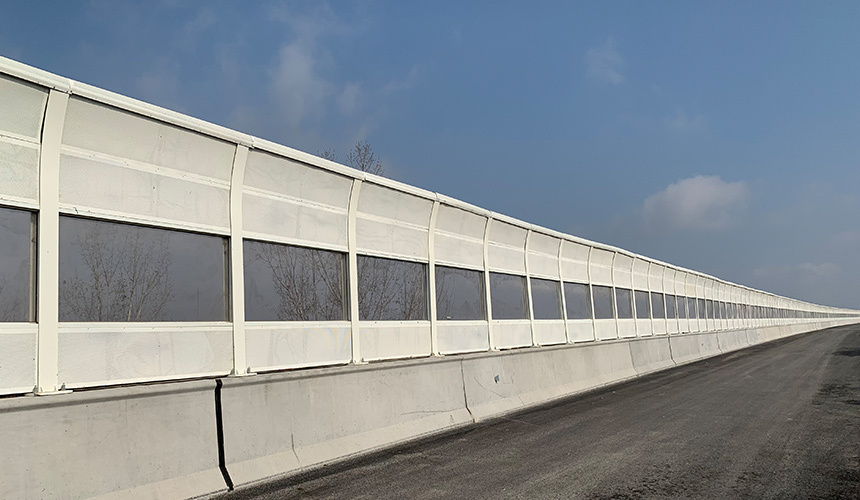
Sound absorbing barriers are specialized structures designed to mitigate noise pollution generated by road traffic. These barriers play a significant role in urban planning and traffic management, particularly in areas where noise levels can adversely affect the quality of life for residents and road users. The primary function of a sound absorbing barrier is to reduce the sound intensity emanating from vehicles, thereby creating a more serene environment in residential and commercial zones adjacent to busy roadways.
The effectiveness of sound absorbing barriers largely depends on their materials and design. Commonly constructed from porous materials such as foam, concrete, or fiberglass, these barriers trap sound waves and convert them into minimal heat energy through friction. This transformation significantly reduces the overall noise that reaches sensitive areas. Additionally, the height, thickness, and placement of these barriers are essential factors that determine their efficacy in noise reduction.
Implementing sound absorbing barriers not only contributes to a quieter urban landscape but also enhances road safety. By lowering noise levels, these barriers can help prevent accidents caused by auditory distractions. Drivers often rely on sound cues to navigate their surroundings, including warning signals from other vehicles and pedestrians. By mitigating excessive noise, sound absorbing barriers enable drivers to maintain better auditory awareness, potentially decreasing the likelihood of collisions.
Furthermore, the integration of sound absorbing barriers into traffic safety equipment can significantly increase the comfort for drivers and passengers. A quieter ride contributes to overall well-being, reducing stress and fatigue during long journeys. This improvement in comfort can lead to heightened focus on the road, minimizing distractions and fostering safer driving behaviors.
The application of sound absorbing barriers is not limited to highways and urban roads; they can also be utilized in various settings, including schools, hospitals, and recreational areas. In these contexts, the barriers serve a dual purpose: reducing traffic noise while simultaneously enhancing the safety and comfort of the environment.
In conclusion, sound absorbing barriers are essential components of traffic safety equipment that address the pressing issue of noise pollution. Their ability to significantly lower sound levels while promoting a safer driving experience makes them invaluable in modern urban planning initiatives. By investing in such technology, communities can create quieter, safer spaces that contribute to the overall quality of life for residents and road users alike.

Contact Us
E-mail :
Phone/WhatsApp/WeChat:
Address:
No. 12, Jing Si Road, East Industrial Park, Anping County, Hengshui City, Hebei Province

WhatsApp/Wechat:
E-mail:


Business License