
Understanding Traffic Safety Fences: Essential Features and Benefits
Sep 17,2026
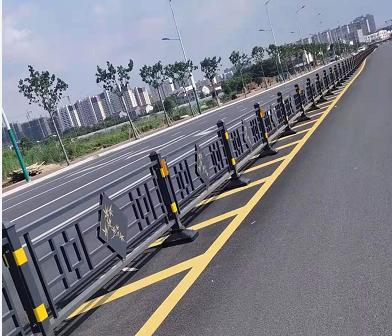
Traffic safety fences are vital components of modern infrastructure, designed to safeguard both road users and pedestrians from potential hazards. These barriers are strategically placed around roadways, construction zones, and other perilous areas, helping to minimize the risks associated with traffic accidents.
One of the primary functions of traffic safety fences is to prevent vehicles from veering off the road or entering restricted areas. By acting as a physical barrier, these fences can significantly reduce the likelihood of collisions, especially in high-speed zones. They also serve to protect pedestrians by creating a clear separation between vehicle traffic and foot traffic, minimizing the chances of accidents in busy areas.
The materials used in the construction of traffic safety fences are essential for their effectiveness. Commonly made from steel, aluminum, or high-density plastic, these materials are chosen for their durability and strength. Steel fences, for instance, can withstand significant impact, making them ideal for high-traffic areas. On the other hand, plastic fences may be lighter and easier to install, yet still provide adequate protection in designated zones.
Another important aspect of traffic safety fences is their height and design. The height of the fence must be sufficient to prevent vehicles from easily crossing over it, while its design should minimize the risk of injury in case of a collision. Many modern traffic safety fences are designed with features that absorb and dissipate energy upon impact, thereby reducing the risk of serious injury to occupants of vehicles that may collide with them.
Moreover, traffic safety fences can also play a role in enhancing visibility. Bright colors or reflective materials are often incorporated into their design, making them easily recognizable, especially in low light conditions. This visibility is crucial for alerting drivers to potential dangers and helping them navigate safely around these barriers.
In addition to their protective functions, traffic safety fences also contribute to the overall organization of roadways. They can help direct traffic flow, guide motorists through construction zones, and establish clear boundaries that enhance the orderly movement of vehicles and pedestrians alike.
In conclusion, traffic safety fences are an indispensable part of traffic management and safety systems. Their robust construction, thoughtful design, and visibility features work together to create safer road environments. Understanding the importance and functionality of these barriers can help reinforce their role in preventing accidents and protecting lives on the road. Whether you're a driver, a pedestrian, or a city planner, recognizing the value of traffic safety fences is crucial for fostering a culture of safety in our communities.

Contact Us
E-mail :
Phone/WhatsApp/WeChat:
Address:
No. 12, Jing Si Road, East Industrial Park, Anping County, Hengshui City, Hebei Province

WhatsApp/Wechat:
E-mail:


Business License