
Understanding Sound Absorbing Barriers: Enhancing Safety and Comfort in Transportation
Sep 21,2026
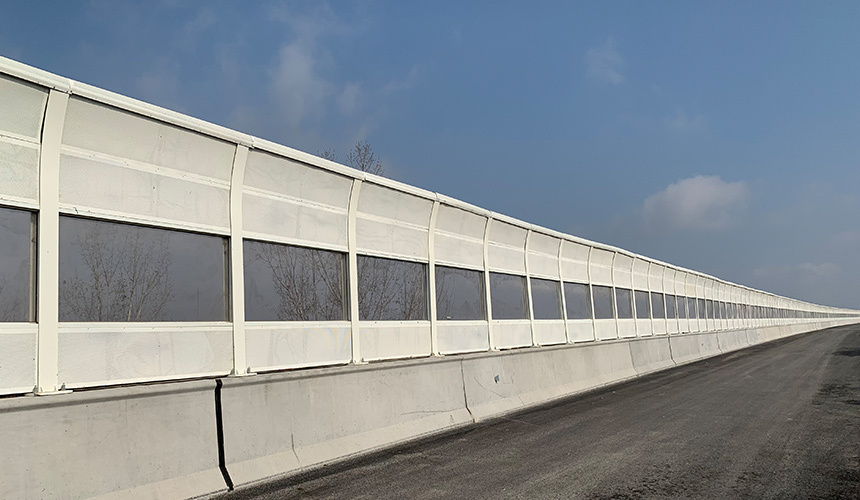
Sound absorbing barriers are increasingly recognized in the automotive and transportation safety industries as essential components for reducing noise pollution and enhancing overall safety. These barriers are designed to mitigate sound waves, effectively lowering noise levels in urban environments, near highways, and around construction sites. By absorbing sound rather than reflecting it, these barriers create a more peaceful atmosphere, which is vital for the well-being of residents and travelers alike.
The primary function of sound absorbing barriers is to reduce the impact of noise from vehicular traffic. As cities grow and vehicle numbers increase, noise pollution has become a significant concern. Excessive noise can lead to various health issues, including stress, sleep disturbances, and even cardiovascular problems. Implementing sound absorbing barriers can significantly alleviate these issues by creating a buffer that diminishes the intensity of the sound reaching nearby homes and businesses.
The materials used in constructing sound absorbing barriers play a crucial role in their effectiveness. Common materials include acoustic panels, porous concrete, and fibrous composites, all designed to trap sound waves and convert them into minimal residual noise. The design and installation of these barriers must also be carefully considered to ensure they meet both aesthetic and functional requirements. Properly designed barriers not only provide noise reduction but can also integrate seamlessly into the surrounding environment, enhancing visual appeal.
Additionally, sound absorbing barriers contribute to road safety. By creating a quieter driving experience, they help reduce distractions for drivers, potentially lowering the risk of accidents. When drivers are less distracted by external noise, they can maintain better focus on the road, leading to safer driving conditions. Moreover, sound barriers can enhance pedestrian safety by minimizing noise in areas where people may gather, such as parks or bus stops, thereby encouraging community engagement without the disruptive influence of traffic noise.
In summary, sound absorbing barriers serve a dual purpose in the transportation safety landscape. They not only play a vital role in noise reduction, enhancing the quality of life for people living in high-traffic areas, but they also contribute to safer driving conditions by reducing distractions on the road. For professionals in the automotive and transportation safety equipment industry, understanding the benefits and applications of sound absorbing barriers can lead to improved product offerings and ultimately contribute to the creation of a safer and more comfortable transportation environment.

Contact Us
E-mail :
Phone/WhatsApp/WeChat:
Address:
No. 12, Jing Si Road, East Industrial Park, Anping County, Hengshui City, Hebei Province

WhatsApp/Wechat:
E-mail:


Business License