
Understanding the Importance of Prison Security Fences in Modern Correctional Facilities
Sep 23,2026
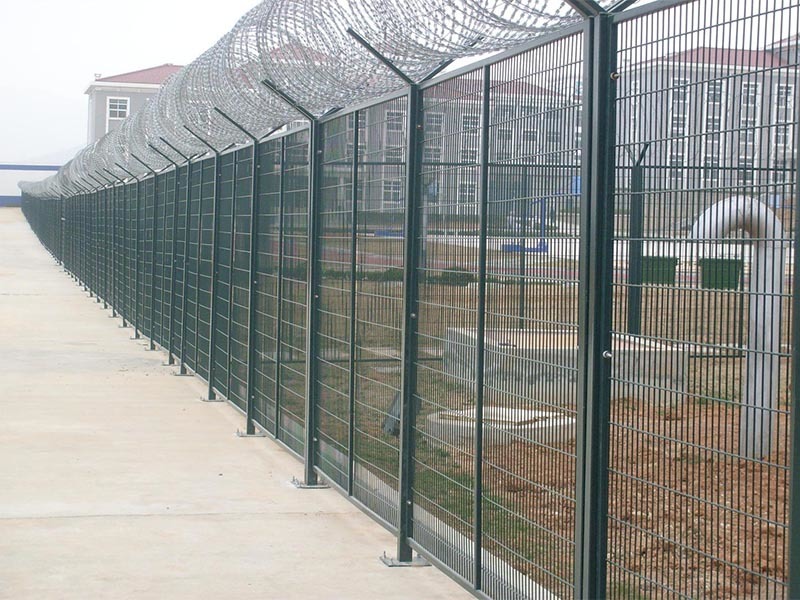
In the realm of correctional facility management, the significance of a robust prison security fence cannot be overstated. These fences are designed not only to contain inmates but also to protect the surrounding community from potential threats. A well-constructed prison security fence serves as the first line of defense against escape attempts and unauthorized access, ensuring that the facility remains secure.
Prison security fences come in various designs and materials, each tailored to meet specific security needs. Common features include high walls, barbed wire, and electronic surveillance systems. The height of these fences is a pivotal factor; typically, they range from 8 to 20 feet, depending on the facility's security level. The use of materials such as galvanized steel or reinforced concrete enhances durability and resistance to tampering, while barbed wire or razor wire at the top acts as a deterrent against climbing.
In addition to physical barriers, modern prison security fences are increasingly integrated with technological advancements. For instance, motion detectors, cameras, and alarm systems are often employed to monitor activities around the perimeter. This technological integration is crucial in providing real-time alerts to security personnel, allowing for swift responses to any potential breaches.
Moreover, the design of prison security fences is not solely focused on preventing escapes. They are also designed with the safety of correctional staff and the surrounding community in mind. By establishing a clear and secure boundary, these fences help mitigate risks associated with inmate interactions with the public. This not only aids in maintaining order within the facility but also fosters a sense of safety for those living and working nearby.
The effectiveness of prison security fences is often evaluated through their ability to deter escape attempts and unauthorized access. Facilities that invest in high-quality fencing and advanced security systems tend to report lower rates of incidents. Furthermore, regular maintenance and updates to security measures are essential to adapt to evolving security threats.
In conclusion, prison security fences play an indispensable role in the overall security framework of correctional facilities. By combining physical barriers with advanced technology, these fences help create a controlled environment that supports the rehabilitation of inmates while ensuring community safety. As the landscape of correctional facility security continues to evolve, the importance of effective prison security fences will remain a critical focus for law enforcement and corrections professionals alike.

Contact Us
E-mail :
Phone/WhatsApp/WeChat:
Address:
No. 12, Jing Si Road, East Industrial Park, Anping County, Hengshui City, Hebei Province

WhatsApp/Wechat:
E-mail:


Business License