
Enhancing Security: The Importance of Prison Security Fences
Oct 03,2026
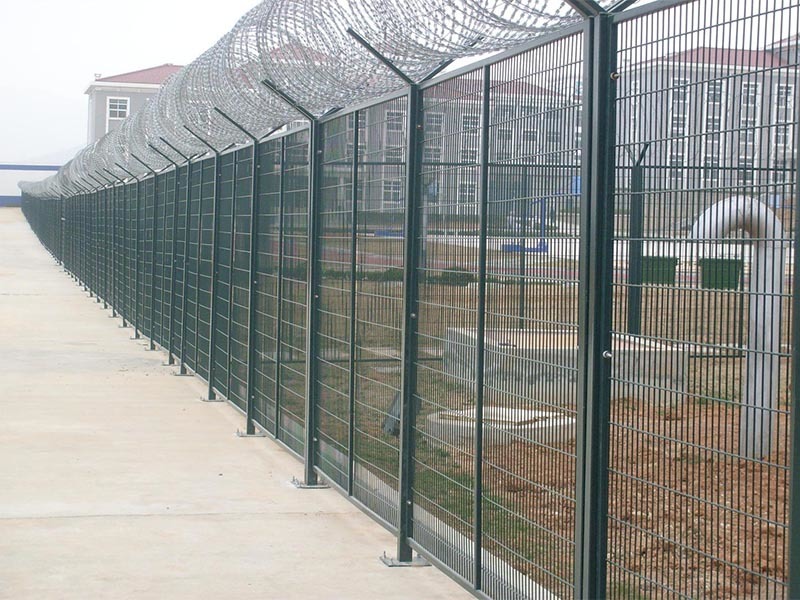
Prison security fences are a crucial component in the overall safety and security of correctional facilities. Designed to deter escape attempts and prevent unauthorized access, these fences are engineered with specific features that enhance their effectiveness. Understanding the significance of prison security fences can help facility managers and security personnel ensure a safe environment for both inmates and staff.
One of the primary functions of a prison security fence is to deter inmates from escaping. Constructed from high-strength materials, these fences are often taller than standard fences, making it difficult for individuals to scale them. Additionally, many prison fences incorporate anti-climb features, such as barbed wire or razor wire, which further complicates escape efforts. The formidable design of these fences sends a clear message: escape is not an option.
Moreover, prison security fences are equipped with advanced technology that enhances their functionality. For example, many facilities utilize electronic surveillance systems, including cameras and motion detectors, in conjunction with physical barriers. These systems provide real-time monitoring of the fence line and can alert security personnel to any potential breaches. Integration of such technology not only increases the deterrent effect but also allows for rapid response to any incidents.
Another critical aspect of prison security fences is their role in protecting the surrounding community. By creating a secure perimeter, these fences help to prevent inmates from accessing the outside world. This is vital for maintaining public safety and ensuring that individuals within the facility do not pose a threat to those outside. Additionally, well-designed prison security fences can help contain disturbances within the facility, preventing them from spilling over into neighboring areas.
The materials used in constructing prison security fences also play a significant role in their effectiveness. High-quality steel and reinforced composites are commonly used to provide durability and resistance to vandalism. Furthermore, the design often includes features such as anti-cut technology, which makes it more challenging for individuals to breach the fence using tools.
Overall, prison security fences are not just physical barriers; they are an essential element of a comprehensive security strategy. Their design, technology integration, and construction materials collectively contribute to a safe and secure environment within correctional facilities. By investing in robust prison security fence solutions, facilities can enhance their operational security and ensure the safety of all individuals involved.

Contact Us
E-mail :
Phone/WhatsApp/WeChat:
Address:
No. 12, Jing Si Road, East Industrial Park, Anping County, Hengshui City, Hebei Province

WhatsApp/Wechat:
E-mail:


Business License