
Innovative Designs in Sports Court Fencing You Should Know
Oct 06,2026
Innovative Designs in Sports Court Fencing You Should Know
Table of Contents
- 1. Introduction to Sports Court Fencing
- 2. Importance of Quality Sports Court Fencing
- 3. Types of Sports Court Fencing
- 4. Innovative Features in Sports Court Fencing
- 5. Popular Designs in Sports Court Fencing
- 6. Installation Considerations
- 7. Maintenance of Sports Court Fencing
- 8. Conclusion
- 9. Frequently Asked Questions
1. Introduction to Sports Court Fencing
In the world of sports, the integrity and functionality of the playing environment are paramount. Sports court fencing plays a crucial role in defining boundaries, enhancing safety, and improving the overall aesthetic appeal of athletic facilities. The evolution of sports court fencing has led to innovative designs that cater not only to the functional requirements of various sports but also to the visual expectations of players and spectators alike. This article delves into the latest trends and innovations in sports court fencing, providing insights into designs that can elevate any sporting venue.
2. Importance of Quality Sports Court Fencing
Quality fencing is essential for several reasons. It helps maintain the integrity of the game by keeping the ball within the court's parameters, thereby allowing for uninterrupted play. Moreover, it enhances safety by protecting players from external hazards and ensuring that fans remain at a safe distance from the action. Lastly, well-designed fencing contributes to the aesthetic value of sports facilities, creating an inviting atmosphere for athletes and spectators alike. By understanding the critical role of sports court fencing, facility managers can make informed decisions that enhance the sporting experience.
3. Types of Sports Court Fencing
Various types of fencing are available, each suited to different sports and facility requirements.
3.1 Chain Link Fencing
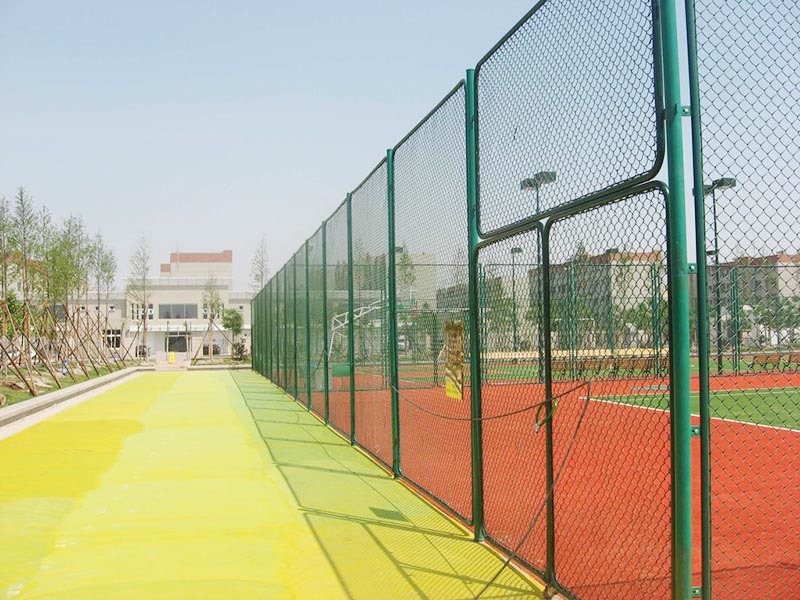
Chain link fencing is a popular choice due to its durability and cost-effectiveness. It provides a clear view of the court, making it ideal for both players and spectators. This type of fencing is especially common in tennis courts, basketball courts, and multi-sport facilities. Its open design allows for good airflow and visibility while still providing essential boundary demarcation.
3.2 Vinyl and PVC Fencing
Vinyl and PVC fencing offers a more aesthetically pleasing alternative to traditional chain link fences. Available in various colors and styles, these fences can be customized to match the facility's branding. They are also resistant to weather conditions and require minimal maintenance, making them a practical choice for outdoor sports courts.
3.3 Wooden Fencing
Wooden fencing brings a natural aesthetic to sports courts, particularly in community parks and recreational facilities. While it may require more maintenance than other types of fencing, it provides a warm and inviting feel. Wooden fences can also be customized with designs or treatments to enhance their durability and appearance.
3.4 Metal Fencing Solutions
Metal fencing, including wrought iron and aluminum options, offers high durability and security. These fences are often used in professional sports settings where security and aesthetics are both critical. Metal fences can be designed with intricate patterns or logos to enhance the court's visual appeal while securing the area.
4. Innovative Features in Sports Court Fencing
Recent advances in fencing technology have introduced innovative features that enhance functionality, safety, and aesthetics.
4.1 Aesthetic Enhancements
Fencing can now be designed not only for functionality but also for visual allure. Color coatings, custom graphics, and integrated LED lighting are becoming popular features that allow facilities to create a unique identity. These enhancements can also contribute to improved visibility during evening events, making the sports court more versatile.
4.2 Safety Features
Safety is a primary concern in sports court design. Recent innovations include anti-climb designs, rounded edges, and padded barriers to reduce injury risks. Moreover, transparent fencing materials, such as polycarbonate, provide visibility while ensuring safety, allowing spectators to enjoy the game without compromising player protection.
4.3 Eco-Friendly Options
Sustainability is increasingly important in modern design. Eco-friendly fencing materials such as recycled plastics and sustainably sourced wood are gaining traction. These materials are not only environmentally responsible but also often require less maintenance, resulting in long-term cost savings for facility owners.
5. Popular Designs in Sports Court Fencing
The design of sports court fencing can greatly affect the overall facility's functionality and appeal.
5.1 Customizable Designs
Custom fencing solutions allow facilities to tailor their fencing to meet specific needs. This includes adjustments in height, materials, and designs that align with branding or community themes. Customization gives a unique character to a sports venue, promoting a sense of belonging among players and fans.
5.2 Modular Fencing Systems
Modular fencing systems offer flexibility in design and installation. These systems can be easily assembled or disassembled, making them ideal for facilities that may change configurations frequently or host multiple sports. The versatility of modular fencing allows for quick adaptations to various sporting events and functions.
6. Installation Considerations
Installing sports court fencing requires careful planning and execution. Factors to consider include local regulations, ground conditions, and planned usage of the facility. Proper installation ensures that the fencing will withstand the rigors of sporting events and provide lasting performance.
7. Maintenance of Sports Court Fencing
To prolong the life of sports court fencing, regular maintenance is crucial. This includes inspections for rust, damage, or wear, as well as periodic cleaning to prevent buildup of dirt and debris. Choosing fencing materials that require less maintenance can significantly reduce long-term costs and efforts, ensuring the facility remains visually appealing and functional.
8. Conclusion
Innovative designs in sports court fencing are pushing the boundaries of what is possible in athletic facility design. With a focus on safety, aesthetics, and functionality, the evolution of sports court fencing provides opportunities for facility managers to enhance the sporting experience for players and spectators alike. By understanding the various types of fencing, their innovative features, and the importance of quality installation and maintenance, sports facilities can create environments that support athletic excellence and community engagement.
9. Frequently Asked Questions
1. What is the best type of fencing for a basketball court?
The best type of fencing for a basketball court is typically a chain link fence due to its durability and cost-effectiveness. However, for enhanced aesthetics, vinyl or metal options can also be considered.
2. How can I ensure the safety of players with court fencing?
To ensure safety, choose fencing materials with rounded edges and padded barriers. Transparent materials can also allow visibility while providing necessary protection.
3. Are there eco-friendly options for sports court fencing?
Yes, there are eco-friendly fencing options available made from recycled plastics and sustainably sourced wood, minimizing environmental impact.
4. How often should sports court fencing be maintained?
Sports court fencing should be inspected regularly, ideally every season, to check for damage or wear and to keep it clean and functional.
5. Can sports court fencing be customized?
Absolutely! Many fencing providers offer customizable solutions to match the branding and specific needs of your sports facility, allowing for unique designs.

Contact Us
E-mail :
Phone/WhatsApp/WeChat:
Address:
No. 12, Jing Si Road, East Industrial Park, Anping County, Hengshui City, Hebei Province

WhatsApp/Wechat:
E-mail:


Business License