
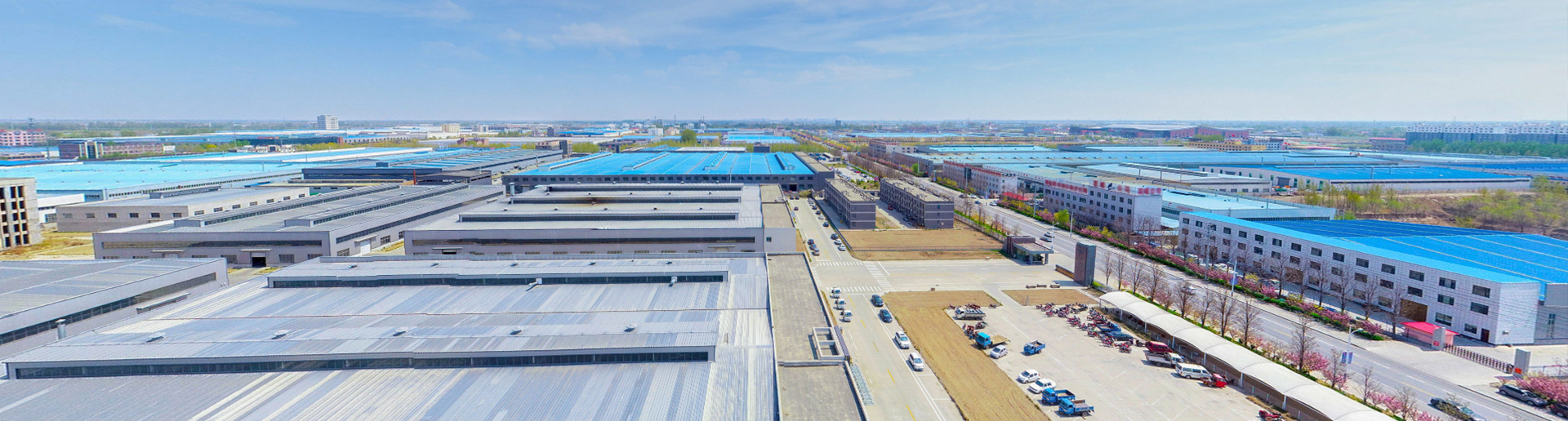
Understanding the Types of Airport Protective Fences Available: A Comprehensive Guide
Nov 09,2026

Understanding the Types of Airport Protective Fences Available
Airport security is paramount to ensuring safe travel and protecting sensitive areas from unauthorized access. One of the critical components of airport security systems is protective fencing. In this comprehensive guide, we will explore the various types of airport protective fences, their features, benefits, and how they contribute to overall airport safety.
The Importance of Airport Protective Fences
Airport protective fences serve several crucial purposes. Primarily, they are designed to prevent unauthorized access to restricted areas, ensuring that only authorized personnel can enter sensitive zones. This is vital not only for the safety of passengers and airport staff but also for the protection of aircraft and cargo.
Moreover, effective fencing can deter potential threats and enhance surveillance capabilities, allowing security personnel to monitor activity more efficiently. Airports are often large and complex environments; hence, the right protective fence plays a significant role in maintaining security.
Factors to Consider When Choosing Airport Protective Fences
When selecting an airport protective fence, it is essential to consider several critical factors:
1. Security Level Required
Different areas of an airport may require varying levels of security. For instance, the perimeter fence will need to provide more substantial protection than a fence surrounding a cargo area. Assessing the specific security needs of each section will guide your choice.
2. Material Durability
The materials used in fencing can significantly impact its lifespan and effectiveness. Common materials include chain-link, welded wire, and composite materials. Choosing a durable material that withstands environmental conditions is crucial for ensuring long-term reliability.
3. Height and Visibility
The height of the fence is another critical consideration. Taller fences can deter intruders more effectively, but visibility must also be maintained for surveillance purposes. Striking a balance between height and visibility is key.
4. Compliance with Regulations
Airports must adhere to specific regulations set by aviation authorities. Ensuring that the selected fencing meets all legal requirements and safety standards is vital for avoiding penalties and maintaining operational integrity.
Types of Airport Protective Fences
There are several types of airport protective fences, each designed for specific needs and environments. Here, we delve into the most common options.
1. Chain-Link Fencing
Chain-link fencing is one of the most widely used types of protective fencing at airports.
Features
- **Cost-Effective**: Chain-link fences are relatively inexpensive compared to other fencing types.
- **Visibility**: They provide a clear view of the area they enclose, facilitating surveillance.
- **Customizable Heights**: Available in various heights to meet security requirements.
Benefits
- **Quick Installation**: These fences can be installed quickly, reducing downtime.
- **Low Maintenance**: Chain-link fences require minimal upkeep, making them a practical choice for airports.
2. Welded Wire Fencing
Welded wire fencing offers enhanced security compared to traditional chain-link options.
Features
- **Strong Construction**: Made from welded wire panels that provide superior strength.
- **Various Configurations**: Available in different designs to meet specific security needs.
Benefits
- **Increased Durability**: More resistant to tampering and damage.
- **Higher Security Level**: Ideal for securing sensitive areas, such as runways and terminals.
3. Electric Fencing
Electric fencing is a high-security option that deters unauthorized access effectively.
Features
- **Electrical Charge**: Provides a shock to intruders, deterring them from climbing.
- **Integration with Security Systems**: Can be linked to alarms and surveillance systems for enhanced security.
Benefits
- **Deterrent Effect**: The presence of electric fencing can significantly reduce the likelihood of breaches.
- **Flexible Installation**: Can be used in conjunction with other types of fences for added security.
4. Composite Fencing
Composite fencing combines various materials, offering unique benefits.
Features
- **Aesthetic Appeal**: Available in various styles and colors to blend with the environment.
- **Resistant to Weather**: Engineered to withstand harsh weather conditions.
Benefits
- **Low Maintenance**: Requires less upkeep compared to traditional wood fences.
- **Increased Privacy**: Provides better privacy and visibility control than chain-link options.
5. Privacy Slats
Privacy slats can be added to chain-link fences to increase security and privacy.
Features
- **Enhanced Privacy**: Slats block visibility into secure areas.
- **Customization**: Available in various colors and materials.
Benefits
- **Increased Aesthetic Value**: Improves the appearance of a chain-link fence.
- **Cost-Effective Solution**: An affordable way to enhance the security of existing fences.
Maintenance of Airport Protective Fences
Proper maintenance of airport protective fences is crucial to ensuring their effectiveness and longevity. Here are some essential maintenance tips:
Regular Inspections
Conduct regular inspections to identify any signs of damage or wear. Look for rust, corrosion, or structural issues that may compromise the fence's integrity.
Repairs and Upkeep
Address any maintenance issues promptly. For instance, replace damaged sections of chain-link or reinforce areas showing signs of weakness. Regular upkeep ensures that the fence remains effective.
Cleaning
Keep fences clean to prevent the buildup of dirt, debris, and vegetation that could obstruct visibility. A clean fence enhances surveillance capabilities and overall aesthetics.
Compliance Checks
Regularly review compliance with local regulations and aviation authority requirements. Ensure your protective fencing meets all necessary guidelines to avoid issues.
Integrating Airport Fencing with Security Systems
To maximize the effectiveness of airport protective fencing, integrating fencing with additional security measures is crucial.
Surveillance Cameras
Positioning surveillance cameras along the perimeter can enhance monitoring efforts. Cameras provide real-time visibility and can be used to review incidents or breaches.
Alarm Systems
Integrating alarm systems with fences can provide immediate notifications when breaches occur. Alarm systems can be linked to electric fences or motion sensors for added security.
Access Control Systems
Implementing access control systems at entry points can further enhance security. This may include card access, biometric scanners, or intercom systems to ensure only authorized personnel enter secure areas.
The Future of Airport Protective Fencing
As security threats continue to evolve, the future of airport protective fencing will likely see advancements in technology and materials. Innovations such as smart fencing equipped with sensors and artificial intelligence are on the horizon. These systems can provide real-time data and alerts, further enhancing airport security.
Conclusion
In summary, understanding the types of airport protective fences available is essential for maintaining airport security. By carefully considering factors such as security needs, materials, and compliance regulations, airport authorities can select the most effective fencing solutions. Regular maintenance and integration with advanced security systems will further enhance the effectiveness of protective fencing. As technology advances, airports must remain vigilant and adaptive to ensure the safety and security of all travelers.
FAQs
1. What is the best type of fence for airport security?
The best type of fence for airport security depends on specific needs. Chain-link fencing is cost-effective, while welded wire and electric fences provide higher security.
2. How tall should an airport fence be?
The height of the airport fence should be based on the security requirements of the area, typically ranging from 6 to 10 feet or more.
3. Are electric fences safe for use at airports?
Yes, electric fences are safe when installed correctly and can be an effective deterrent to unauthorized access.
4. How often should airport fences be inspected?
Airport fences should be inspected regularly, ideally at least once a month, to ensure their integrity and effectiveness.
5. Can I add privacy slats to existing chain-link fences?
Yes, privacy slats can be added to existing chain-link fences to enhance privacy and security.
This comprehensive guide provides crucial insights into the types of airport protective fences available, helping airport authorities and security professionals make informed decisions regarding their security infrastructure.

Contact Us
E-mail :
Phone/WhatsApp/WeChat:
Address:
No. 12, Jing Si Road, East Industrial Park, Anping County, Hengshui City, Hebei Province

WhatsApp/Wechat:
E-mail:


Business License