
Understanding Sound Absorbing Barriers: Enhancing Traffic Safety through Acoustic Solutions
Jul 13,2026
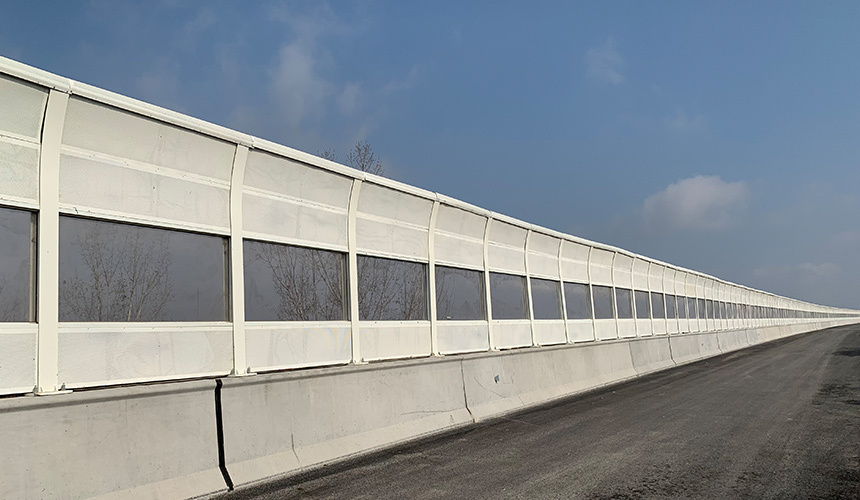
Sound absorbing barriers are essential components in modern traffic safety equipment, especially in urban environments where noise pollution is a growing concern. Designed to reduce and manage sound levels, these barriers serve a dual purpose: enhancing safety for drivers and pedestrians while simultaneously improving the quality of life for residents living near busy roadways.
At their core, sound absorbing barriers utilize materials specifically engineered to absorb sound waves rather than reflect them. This property is crucial in mitigating unwanted noise generated by vehicles, machinery, and other traffic-related activities. By converting sound energy into a negligible amount of heat through friction, these barriers lessen the overall noise impact, creating a more peaceful atmosphere in surrounding areas.
The benefits of implementing sound absorbing barriers in traffic environments extend beyond merely reducing noise levels. They also play a significant role in enhancing overall traffic safety. By creating a more serene driving experience, these barriers allow drivers to focus better on the road, potentially reducing the likelihood of accidents caused by distractions. Additionally, lowered noise levels can improve communication among pedestrians and cyclists, fostering a safer environment for all road users.
Moreover, sound absorbing barriers can be designed to blend aesthetically with the landscape, mitigating their visual impact while serving their primary function. The materials used can vary from porous concrete to specialized acoustic panels, with options available to meet specific environmental and design requirements.
In urban planning, the integration of sound absorbing barriers is becoming increasingly common, as cities aim to combat the adverse effects of noise pollution. Many municipalities are recognizing the importance of these barriers not just for noise reduction but also as a means of enhancing public health, as excessive noise has been linked to various health issues, including stress and sleep disturbances.
The versatility of sound absorbing barriers makes them suitable for various applications beyond roadways. They can be effectively utilized in railways, airports, and industrial areas, where noise levels can be particularly disruptive. In each context, the goal remains the same: to create a safer, more comfortable living and working environment for individuals.
In conclusion, sound absorbing barriers are a vital aspect of traffic safety equipment within the automotive and transportation industry. By understanding their function and benefits, stakeholders can make informed decisions regarding their implementation, ultimately leading to safer and quieter environments for all road users and residents alike. Whether in urban planning or specific traffic safety projects, the role of sound absorbing barriers cannot be understated in our quest for improved acoustic comfort and public safety.

Contact Us
E-mail :
Phone/WhatsApp/WeChat:
Address:
No. 12, Jing Si Road, East Industrial Park, Anping County, Hengshui City, Hebei Province

WhatsApp/Wechat:
E-mail:


Business License