
The Vital Role of Prison Security Fences in Ensuring Safety and Control
Jul 15,2026
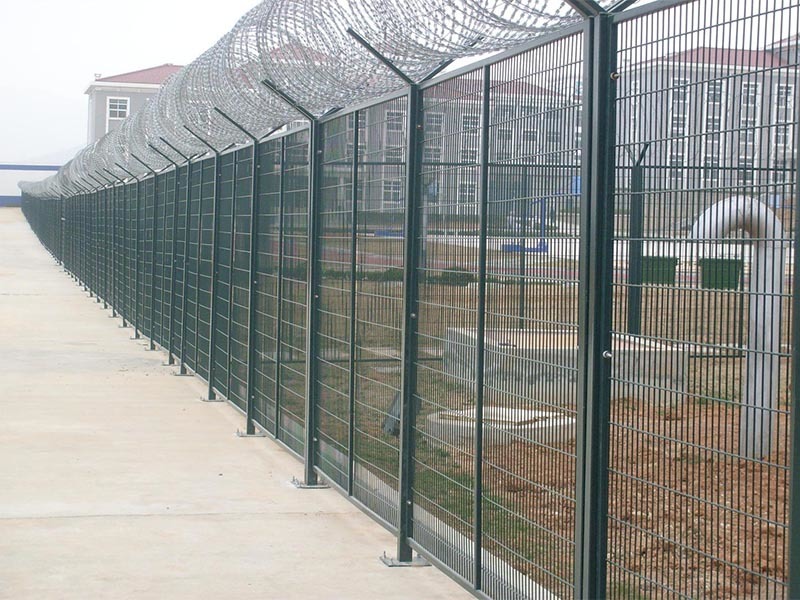
When it comes to prison security, one of the most critical elements is the prison security fence. These fences serve as the first line of defense in maintaining the integrity of correctional facilities. They play a vital role in preventing escapes and unauthorized access, ensuring both the safety of inmates and the surrounding community.
Prison security fences are designed with specific features to enhance their effectiveness. Typically, they are constructed from robust materials that are difficult to penetrate or scale. The height of these fences is often significant, usually exceeding eight feet, to deter attempts at escape. Additionally, many modern prison security fences are topped with barbed wire or razor wire, making it even more challenging for individuals to climb over.
Beyond the physical barriers, technological advancements have revolutionized the capabilities of prison security fences. Many facilities now integrate electronic monitoring systems, such as motion sensors and surveillance cameras, into their fence designs. These technologies help keep constant watch over the perimeter, providing real-time alerts to security personnel about any potential breaches.
The psychological impact of a prison security fence should not be overlooked. The mere presence of these formidable barriers serves as a deterrent to potential escapees and helps maintain order within the facility. Inmates are often acutely aware of the constraints imposed by their environment, which can, in turn, influence their behavior and compliance with facility rules.
In addition to preventing escapes, prison security fences are essential for protecting the surrounding community. They help keep the inmates secured within a controlled environment, minimizing the risk of incidents that could affect the public. With effective fencing in place, local residents can feel more secure knowing that there are robust measures to contain individuals who pose a risk to society.
Moreover, the design and maintenance of prison security fences are subject to strict regulations and standards. Facilities are required to regularly inspect and maintain these fences to ensure they meet safety and security protocols. This ongoing process not only fortifies the physical structure but also reinforces the overall security framework of the prison.
In conclusion, prison security fences are an indispensable element in the landscape of correctional facility safety. Their combination of physical barriers and advanced technological features plays a crucial role in maintaining order and security. By understanding the importance of these fences, stakeholders can better appreciate the complexities involved in prison management and the efforts made to ensure safety for both inmates and the surrounding community. As technology continues to evolve, the future of prison security fencing will likely incorporate even more innovative solutions to enhance safety and control.

Contact Us
E-mail :
Phone/WhatsApp/WeChat:
Address:
No. 12, Jing Si Road, East Industrial Park, Anping County, Hengshui City, Hebei Province

WhatsApp/Wechat:
E-mail:


Business License