
Transform Your Sports Area with the Right Sports Court Fence
Jul 18,2026
Transform Your Sports Area with the Right Sports Court Fence
Creating an inviting and functional sports area requires careful consideration of various factors, and one of the most crucial elements is the selection of an appropriate sports court fence. Whether it’s for a basketball court, tennis court, or multi-purpose sports area, the right fencing not only enhances the aesthetic appeal but also plays a vital role in safety, game integrity, and player experience. In this comprehensive guide, we will explore the essential aspects of sports court fencing, offering insights that can help you make informed decisions about transforming your sports area.
Understanding the Importance of Sports Court Fencing
The significance of sports court fencing extends beyond mere boundaries. A well-designed fence can significantly impact gameplay, safety, and the overall environment of the sports area. Here are some key reasons why investing in the right fencing is crucial:
1. Safety First: Protecting Players and Spectators
Safety should always be the top priority when designing any sports area. A robust fence acts as a barrier that protects players from stray balls, prevents them from wandering off the court, and keeps spectators safe. It’s vital to choose materials that can withstand impacts while ensuring visibility, allowing coaches and spectators to monitor the game easily.
2. Defining Boundaries: Enhancing Game Integrity
Properly installed fences help define court boundaries, ensuring fair play and maintaining the integrity of the game. For sports like tennis and basketball, clear boundaries are essential for accurate scoring and gameplay. Quality fencing allows players to focus on their performance without the distraction of wandering balls or players.
3. Aesthetic Appeal: Boosting Visual Engagement
Fencing can contribute significantly to the visual appeal of a sports area. With various design options available, you can choose styles that complement the surrounding environment. An attractive fence enhances the overall look of the facility, making it more inviting for players and spectators alike.
4. Noise Reduction: Creating a Comfortable Environment
Sports courts can get noisy, especially during competitive games. The right fence can help reduce noise levels, creating a more comfortable environment for players and spectators. Investing in sound-dampening materials can improve the overall experience at your sports facility.
Choosing the Right Type of Sports Court Fence
Selecting the ideal fencing solution for your sports area involves understanding different fencing types available in the market. Each type has its unique benefits and drawbacks, making it essential to align your choice with the specific needs of your sports facility.
1. Chain Link Fencing: Affordability and Versatility
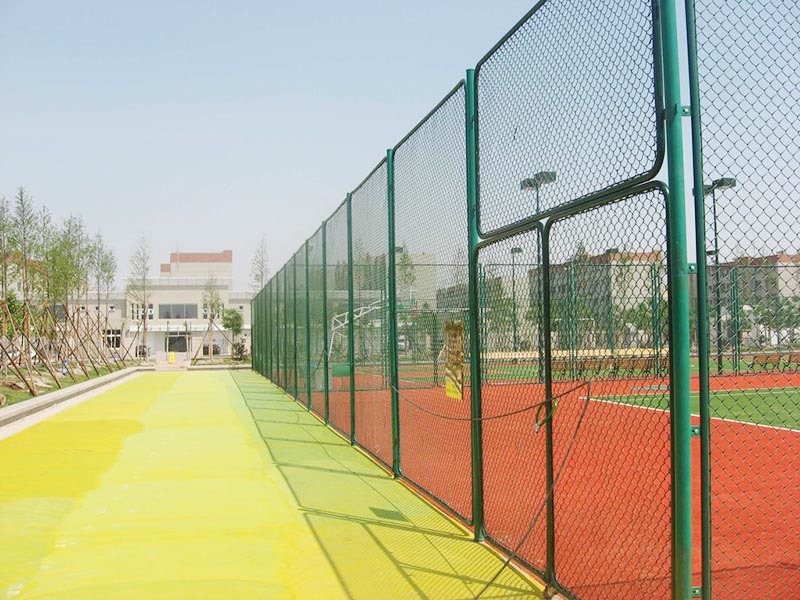
Chain link fencing is a popular choice due to its affordability, durability, and versatility. It provides excellent visibility, making it a great option for sports courts where spectators need to view the action. Available in various heights and gauges, chain link fencing can be customized to suit your facility's requirements.
Benefits of Chain Link Fencing
- Cost-effective solution for large areas
- Easy installation and low maintenance
- Allows for optimal visibility
2. Vinyl Fencing: Aesthetic Appeal and Durability
Vinyl fencing offers an attractive alternative to traditional fencing options. It comes in various styles and colors, allowing you to customize the look of your sports area. Known for its durability and resistance to weather conditions, vinyl fencing is an excellent investment for long-term usability.
Benefits of Vinyl Fencing
- Low maintenance and weather-resistant
- Variety of colors and styles for customization
- Provides a clean and polished look
3. Wood Fencing: Classic and Natural Feel
Wood fencing offers a classic and natural look that can enhance the aesthetic of any sports area. While it may require more maintenance compared to other options, wood can be treated for durability and weather resistance. The natural texture and color of wood can create a warm and inviting atmosphere.
Benefits of Wood Fencing
- Natural aesthetics that blend with surroundings
- Customizable height and design options
- Can be treated for extra durability
4. Aluminum Fencing: Strength Meets Elegance
Aluminum fencing is known for its strength and elegant appearance. It is lightweight yet sturdy, making it suitable for high-traffic sports areas. The powder-coated finish provides resistance against rust and corrosion, ensuring a long-lasting investment. Aluminum fences often come in various styles and colors, allowing for customization.
Benefits of Aluminum Fencing
- Long-lasting and low maintenance
- Elegant appearance that enhances aesthetics
- Resistant to rust and corrosion
Factors to Consider When Installing Sports Court Fencing
When selecting and installing a sports court fence, several factors should be taken into account to ensure that it meets the needs of the facility and its users:
1. Court Size and Type
The size and type of the sports court will dictate the height and type of fencing required. For instance, a basketball court may require higher fencing than a tennis court to prevent balls from leaving the designated area.
2. Local Regulations
Before installing any fencing, it is essential to check local regulations and zoning laws. Some areas may have restrictions on the height and type of fencing allowed in public sports facilities.
3. Maintenance Requirements
Evaluate the maintenance needs of the fencing material. Some materials, like wood, require regular treatment and upkeep, while others, like vinyl or aluminum, may be more low-maintenance. Choose a material that aligns with your capacity for ongoing maintenance.
4. Budget Considerations
Establish a budget for your fencing project, keeping in mind the costs of materials, installation, and maintenance. While it may be tempting to opt for the cheapest option, consider the long-term impact of your investment on safety and aesthetics.
Installation Tips for Sports Court Fencing
Installing sports court fencing can be a complex task, and proper installation is crucial for ensuring the fence's longevity and effectiveness. Here are some essential tips for a successful fencing installation:
1. Prepare the Site
Before beginning the installation, ensure that the site is cleared of any debris or obstacles. Conduct a thorough survey of the area to identify any underground utilities and mark them accordingly.
2. Follow Manufacturer Guidelines
When installing fencing, always follow the manufacturer's guidelines for installation. This will ensure that the fence is installed correctly and will perform as intended.
3. Use Quality Materials
Investing in high-quality materials is essential for long-lasting fencing. Cheaper materials may save money initially but can lead to higher costs in repairs and replacements down the line.
4. Seek Professional Help
If you're not confident in your ability to install the fence, consider hiring professionals. Experienced installers can ensure that the fence is set up correctly, providing peace of mind and potentially saving you money in the long run.
FAQs About Sports Court Fencing
1. What is the best type of fencing for a basketball court?
The best type of fencing for a basketball court is typically chain link fencing due to its durability and visibility, which allows players and spectators to see the action clearly.
2. How tall should a sports court fence be?
The height of the sports court fence depends on the sport being played. For basketball courts, fences should generally be at least 10-12 feet tall, while tennis courts can use 8-10 foot fencing.
3. How do I maintain my sports court fence?
Maintenance varies by material. Chain link requires minimal care, while wood may need regular staining or sealing. Aluminum and vinyl typically require washing to remove dirt and debris.
4. Can I install the fence myself?
Yes, you can install the fence yourself if you have the necessary skills and tools. However, hiring professionals may ensure a more reliable and durable installation.
5. What are the costs associated with sports court fencing?
Costs can vary widely based on materials, height, length, and labor. On average, chain link fencing may cost between $10 to $20 per linear foot, while vinyl and aluminum can be more expensive.
Conclusion
Investing in the right sports court fence is essential for transforming your sports area into a functional, safe, and visually appealing environment. By understanding the various fencing options and considering critical factors such as safety, budget, and maintenance, we can make informed decisions that will benefit players and spectators alike. A well-chosen fence enhances game integrity and contributes to the overall enjoyment and success of the sports facility. As we’ve explored, the right sports court fence is more than just a boundary; it’s an integral part of creating a thriving sporting community.

Contact Us
E-mail :
Phone/WhatsApp/WeChat:
Address:
No. 12, Jing Si Road, East Industrial Park, Anping County, Hengshui City, Hebei Province

WhatsApp/Wechat:
E-mail:


