
The Essential Role of Traffic Safety Fences in Roadway Protection
Jul 19,2026
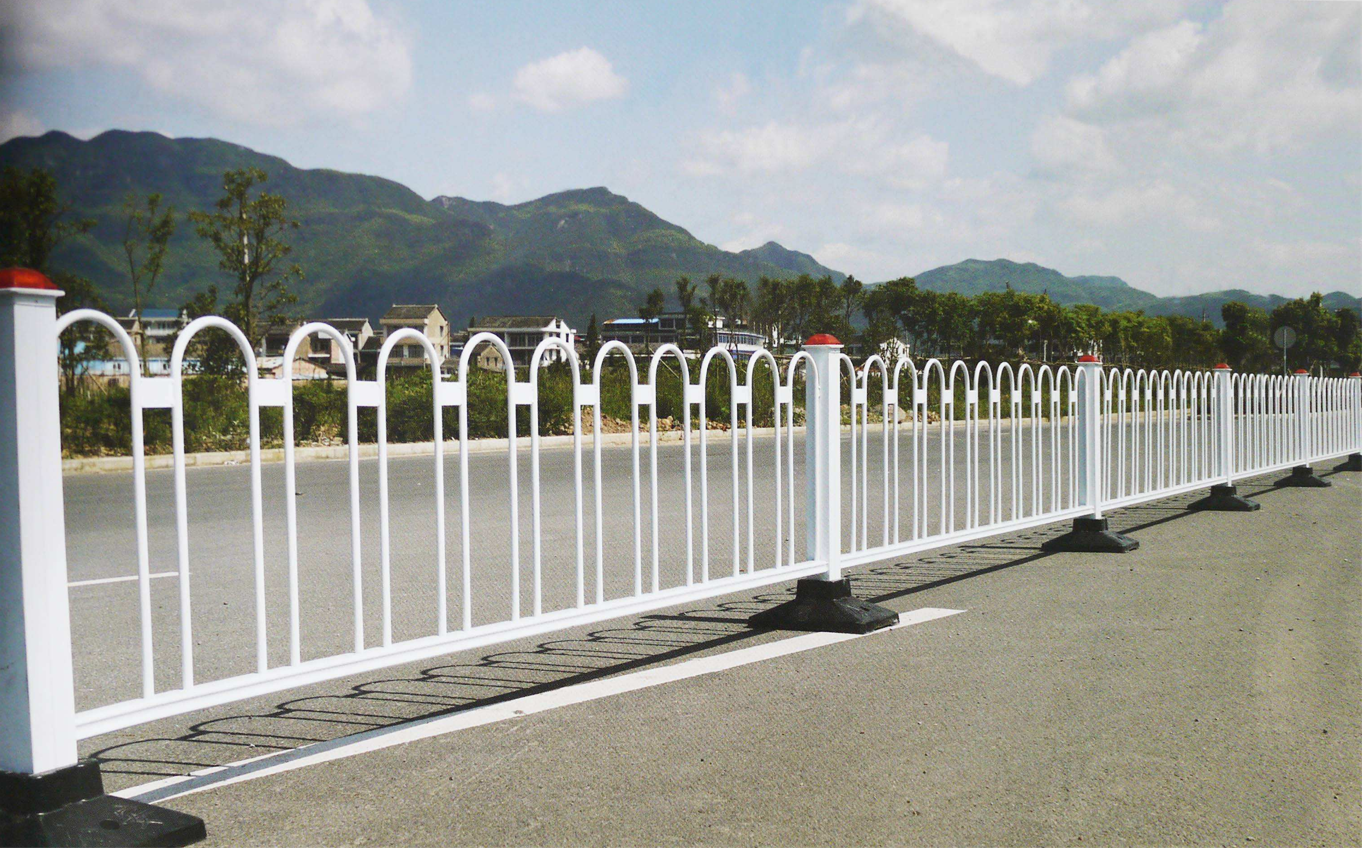
Traffic Safety Fences are critical components in the realm of traffic management and road safety. Designed to create physical barriers, these fences serve multiple purposes, enhancing safety for both vehicles and pedestrians. They are often used in high-risk areas, such as highways, construction zones, and pedestrian-heavy locations, where the potential for accidents is significantly elevated.
One of the primary functions of traffic safety fences is to prevent unauthorized access to roadways or hazardous areas. By erecting these barriers, traffic safety fences help keep pedestrians away from high-speed traffic, thus minimizing the risk of accidents. Additionally, they guide the flow of both vehicle and foot traffic, ensuring that everyone remains within designated paths. This guidance is particularly important in crowded urban areas where distractions are plentiful.
Moreover, traffic safety fences act as a deterrent against potential vehicular intrusions into vulnerable spaces. For instance, in environments where pedestrians and vehicles intersect, such as parking lots or event venues, these barriers can significantly reduce the likelihood of a serious accident. By creating a clear delineation between different types of traffic, these fences help establish a safer environment for everyone involved.
Another crucial aspect of traffic safety fences is their role in improving visibility and awareness. Many traffic safety fences are designed with reflective materials or bright colors that enhance visibility, especially during low-light conditions. This feature is particularly beneficial for night-time drivers, as well as individuals navigating busy urban settings. The increased visibility encourages drivers to be more cautious and aware of their surroundings, thereby contributing to overall traffic safety.
Furthermore, traffic safety fences can be made from various materials, such as steel, plastic, or composite materials. Each type offers unique advantages, making it important for stakeholders to choose the right material for their specific needs and environmental conditions. For example, plastic fences may be lightweight and easy to install, while steel fences provide robust protection against impacts.
In addition to their protective functions, traffic safety fences also play a role in maintaining an orderly appearance along roadways. Aesthetically pleasing barriers can enhance the overall landscape of an area, contributing to a community's visual appeal while also serving their protective purposes.
In conclusion, traffic safety fences are indispensable tools in the field of traffic safety. By preventing unauthorized access, guiding traffic flow, and enhancing visibility, they are integral to reducing accidents and ensuring the safety of both motorists and pedestrians. As communities continue to evolve, the importance of implementing effective traffic safety measures, including the use of these fences, cannot be overstated.

Contact Us
E-mail :
Phone/WhatsApp/WeChat:
Address:
No. 12, Jing Si Road, East Industrial Park, Anping County, Hengshui City, Hebei Province

WhatsApp/Wechat:
E-mail:


Business License