
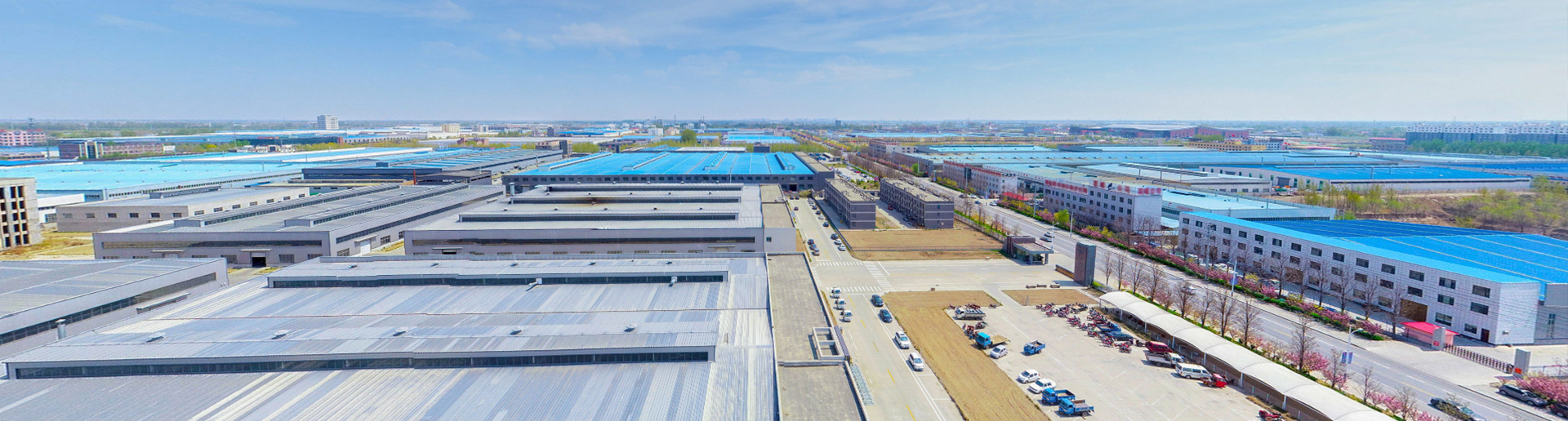
Top Features to Look for in a Security Fence System: Ensuring Optimal Protection
Jul 20,2026

Top Features to Look for in a Security Fence System
Understanding the Importance of Security Fences
A security fence serves as the first line of defense for your property, providing protection against unauthorized access and potential threats. Investing in a quality security fence is crucial, as it not only safeguards your assets but also enhances peace of mind.
In this article, we will explore the **top features to look for in a security fence system** that ensure maximum effectiveness and durability.
1. Material Strength and Durability
When evaluating a security fence, the choice of material is fundamental. The most common materials used in security fences include:
1.1 Chain Link Fencing
Chain link fencing is a popular option due to its affordability and durability. Made from galvanized steel, it provides reliable security while allowing visibility. However, for enhanced security, consider **reinforced chain link** that includes additional features like barbed wire or slats for privacy.
1.2 Wood Fencing
Wood fences offer an aesthetic appeal and can be designed to match your property's style. However, they require regular maintenance to prevent rot and weather damage. Choose pressure-treated wood for improved durability and resistance to decay.
1.3 Vinyl Fencing
Vinyl fences have gained popularity for their low maintenance requirements and resistance to weathering. They are available in various styles and colors, making them an attractive option for homeowners. Their durability ensures they can withstand harsh environmental conditions without warping or fading.
1.4 Metal Fencing
Metal fencing, such as aluminum and wrought iron, provides a robust security solution. These materials are resistant to corrosion and can be customized to create intricate designs. Wrought iron fences add an element of elegance while offering high levels of security.
2. Height and Design Considerations
The height of a security fence plays a critical role in its effectiveness. A taller fence can deter trespassers more effectively than shorter alternatives. Consider the following designs:
2.1 Standard Height Recommendations
Generally, a fence height of at least **6 to 8 feet** is recommended for residential properties. For commercial or industrial properties, heights of **8 to 10 feet** are often necessary to prevent unauthorized access.
2.2 Design Features for Enhanced Security
Incorporating design features such as pointed tops, barbed wire, or electrification can further deter intruders. Ensure that the design complies with local regulations before installation.
3. Visibility and Transparency
While privacy is important, visibility plays a significant role in security. A security fence that offers clear lines of sight allows property owners and security providers to monitor activity around the perimeter. Consider these factors:
3.1 Transparent vs. Opaque Materials
Transparent materials like chain link fencing allow for visibility while still providing security. In contrast, solid wooden or vinyl fences can obscure visibility, making it difficult to detect potential threats.
3.2 Slatted Fencing Options
Slatted fencing provides a balance between privacy and visibility. This design allows for airflow and light while still providing a degree of concealment.
4. Gate Security Features
Gates are critical access points in any security fence system. Therefore, ensuring they are secure is vital. Consider the following features:
4.1 Quality Locking Mechanisms
Invest in high-quality locks that are difficult to pick or bypass. Options include deadbolts, electronic locks, and biometric systems that require fingerprint or facial recognition.
4.2 Gate Automation
Automated gates offer convenience and security. They can be controlled remotely and can include features such as intercom systems for additional verification before granting access.
5. Advanced Security Technologies
In today’s world, integrating technology into your security fence system can significantly enhance protection. Consider these advanced features:
5.1 Surveillance Cameras
Installing surveillance cameras around your fence line can help monitor activity and deter intruders. Opt for high-resolution cameras with night vision capabilities for 24/7 surveillance.
5.2 Motion Sensors and Alarms
Integrating motion sensors with your fence system can alert you to any unauthorized movement near your property. Alarms can be triggered automatically, notifying homeowners and security personnel.
5.3 Smart Security Systems
Smart security systems allow you to monitor and control your fence system remotely through smartphone applications. Features may include real-time alerts, video feeds, and control over security devices.
6. Local Regulations and Compliance
Before installing a security fence, it is essential to check local regulations and zoning laws. Compliance with these regulations ensures that your fence does not violate any codes and helps avoid potential fines.
6.1 Building Permits
In some areas, you may need a building permit for your security fence installation. Check with your local government or home association for specific requirements.
6.2 Height Restrictions and Setbacks
Local ordinances may dictate the maximum height for fences as well as required setbacks from property lines. Familiarize yourself with these regulations before proceeding.
7. Maintenance and Upkeep
To ensure your security fence remains effective, regular maintenance is necessary. Here are key maintenance tasks:
7.1 Inspecting for Damage
Regularly inspect your fence for any signs of wear, such as rust, rot, or loose panels. Addressing issues promptly will prolong the life of your fence.
7.2 Cleaning and Painting
Clean your fence annually to remove dirt and debris. For wooden fences, consider applying a fresh coat of paint or stain every few years to protect against the elements.
7.3 Replacing Damaged Components
If any part of your fence is damaged, replace it immediately. This includes posts, panels, or locking mechanisms to ensure continued security.
8. Cost Considerations for Security Fences
Understanding the cost associated with installing a security fence is essential. Factors influencing cost include:
8.1 Material Choice
Different materials vary in cost. Chain link fences are typically the most affordable, while wrought iron and vinyl options can be more expensive.
8.2 Installation Fees
Professional installation may add to your total costs. However, proper installation is crucial for ensuring the fence’s effectiveness, so weigh the benefits of hiring a skilled contractor.
8.3 Long-Term Investment
Consider the long-term value of your investment. A well-constructed security fence can save you money on potential damages and losses due to theft or vandalism.
Frequently Asked Questions
1. What is the best material for a security fence?
The best material depends on your specific needs, but metal fencing options like wrought iron and aluminum offer high durability and security.
2. How high should a security fence be?
For residential properties, a height of 6 to 8 feet is recommended, while commercial properties may require heights of 8 to 10 feet for optimal security.
3. Can I install a security fence myself?
While DIY installation is possible, hiring professionals ensures proper installation and compliance with local regulations.
4. How do I maintain my security fence?
Regular inspections, cleaning, and timely replacement of damaged components are essential for maintaining your security fence.
5. Are there smart technologies available for security fences?
Yes, many modern security fences integrate smart technologies like surveillance cameras, motion sensors, and remote control systems for enhanced protection.
Conclusion
Choosing the right security fence system involves careful consideration of multiple factors, including material strength, height, visibility, and advanced technologies. A well-chosen security fence not only enhances the safety of your property but can also provide peace of mind against potential threats. By following the guidelines outlined in this article, you can ensure that your security fence meets your needs and provides reliable protection for years to come. Investing in a quality security fence is not just about physical barriers; it enhances your overall security strategy.

Contact Us
E-mail :
Phone/WhatsApp/WeChat:
Address:
No. 12, Jing Si Road, East Industrial Park, Anping County, Hengshui City, Hebei Province

WhatsApp/Wechat:
E-mail:


Business License